Navigating the complexities of the global cycling market requires more than just a product catalog; it demands a strategic partnership with a reliable wholesale bike parts distributor. In an era where urban mobility is shifting toward sustainable transport, the ability to source high-quality components—from precision-engineered BB axles to durable brake levers—determines the agility and competitiveness of any bicycle retail or assembly business.
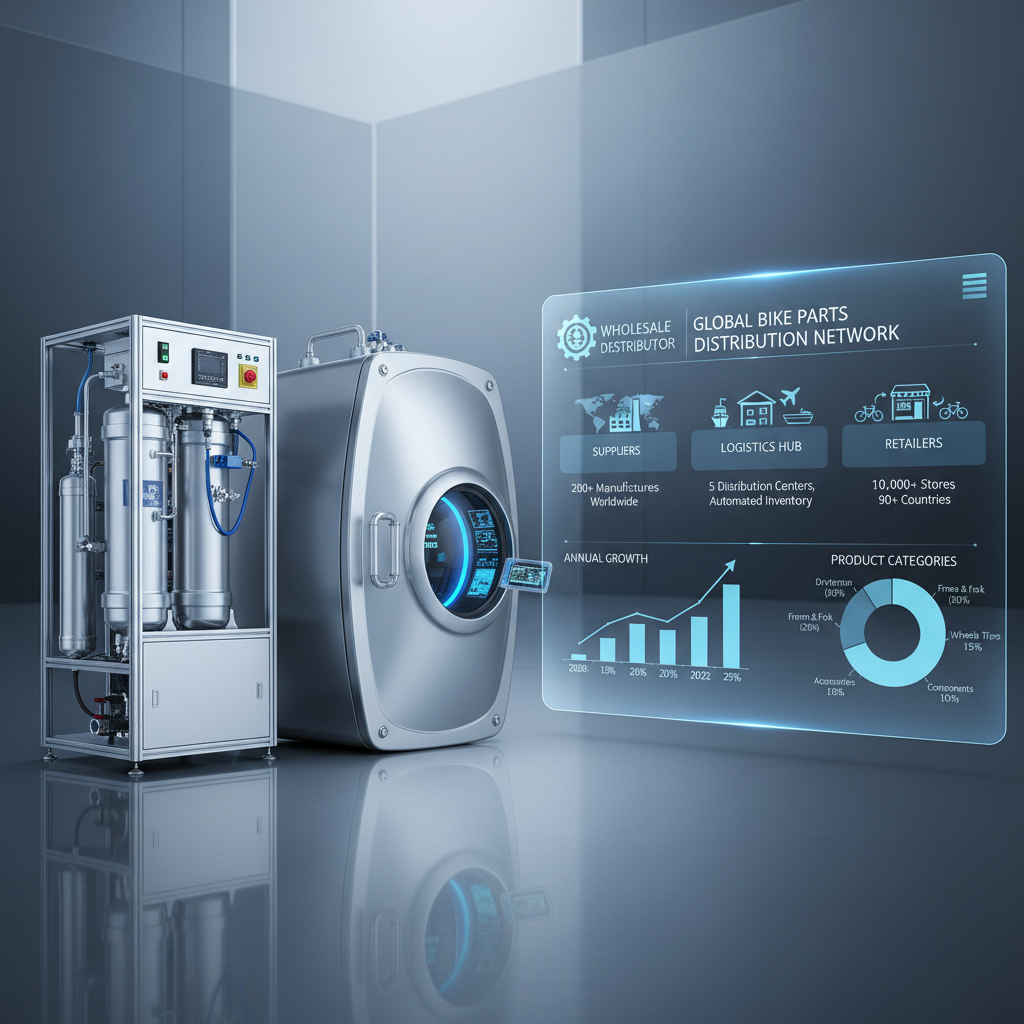
The global supply chain for bicycle components has faced unprecedented volatility in recent years, making the role of a professional distributor critical. By bridging the gap between high-capacity manufacturing and local market demands, a wholesale bike parts distributor ensures that essential parts like chains, cassettes, and frames are available without the prohibitive costs of direct factory importing for smaller enterprises.
Understanding the nuances of sourcing, quality control, and logistics is the cornerstone of scaling a cycling brand. Whether you are focusing on high-performance racing bikes or the burgeoning market for children's electric tricycles, partnering with an experienced wholesale bike parts distributor provides the technical expertise and inventory stability needed to maintain customer trust and operational efficiency.
The Strategic Role of a Wholesale Bike Parts Distributor
A wholesale bike parts distributor acts as the central nervous system of the cycling industry's commerce. Rather than simply moving boxes, a top-tier distributor manages the intricate balance between manufacturing lead times and the immediate needs of the consumer. This involves meticulous curation of product lines—ensuring that everything from basic inner tubes to complex rear derailleurs meets the specific regional demands of the target market.
Beyond logistics, these distributors provide a critical layer of risk mitigation. By aggregating demand from multiple retailers, they can negotiate better pricing from factories and implement more rigorous quality control checks before products ever reach the shop floor. This synergy allows local bike shops to maintain lean inventories while still offering a comprehensive range of parts to their customers.
Essential Components for Modern Cycling Inventories
To remain competitive, a retailer must diversify its offerings through a wholesale bike parts distributor that covers multiple categories. Core drivetrains, including bicycle chains, freewheels, and chainwheels, form the heart of any bike. When these components are sourced from a reputable distributor, they offer the precision and wear-resistance required for daily commuting or intense mountain biking.
Safety and control components are equally vital. This includes the sourcing of high-performance bicycle brakes, brake levers, and hubs. A professional distributor ensures that these parts adhere to international safety standards, reducing the risk of failure and enhancing the rider's experience. The integration of specialized items like bike helmets and reflectors further expands a shop's ability to provide a complete safety ecosystem.
Lastly, the growth of the "kids' mobility" sector cannot be overlooked. Modern inventories now frequently include baby tricycles, infant walkers, and kids' electric ride-on toys. By leveraging a distributor who specializes in both traditional bicycle parts and these innovative children's products, businesses can capture a wider demographic and increase their average transaction value.
Quality Assurance and Industry Standards in Sourcing
The hallmark of a professional wholesale bike parts distributor is an uncompromising commitment to quality assurance. In an industry where a faulty BB axle or a snapped chain can lead to serious accidents, verifying the metallurgical properties and tolerances of every batch is non-negotiable.
Effective quality control involves a multi-stage process: from raw material inspection at the factory to stress-testing finished bicycle forks and frames. A leading wholesale bike parts distributor often employs third-party auditors to ensure ISO compliance, ensuring that the parts delivered to the end-user are both durable and safe.
Furthermore, the ability to provide detailed technical specifications—such as the exact alloy grade of a bike stem or the pressure rating of an inner tube valve—separates an amateur supplier from a professional wholesale bike parts distributor. This transparency allows engineers and shop mechanics to make informed decisions about compatibility and performance.
Cost-Efficiency and Scalability in Parts Procurement
Achieving cost-efficiency in the bicycle industry is rarely about finding the cheapest part, but rather about optimizing the total cost of ownership. By partnering with a wholesale bike parts distributor, retailers benefit from economies of scale. Bulk procurement of high-turnover items like bike pedals, tires, and inner tubes significantly lowers the unit price, allowing for healthier margins without sacrificing quality.
Scalability is another critical advantage. As a business grows from a single local shop to a regional chain, the need for a streamlined procurement system becomes paramount. A sophisticated distributor provides the digital infrastructure and logistical support to scale orders upward seamlessly, ensuring that growth is not hindered by supply shortages.
Procurement Efficiency Comparison by Distributor Model
Global Applications: From Urban Commuting to Professional Racing
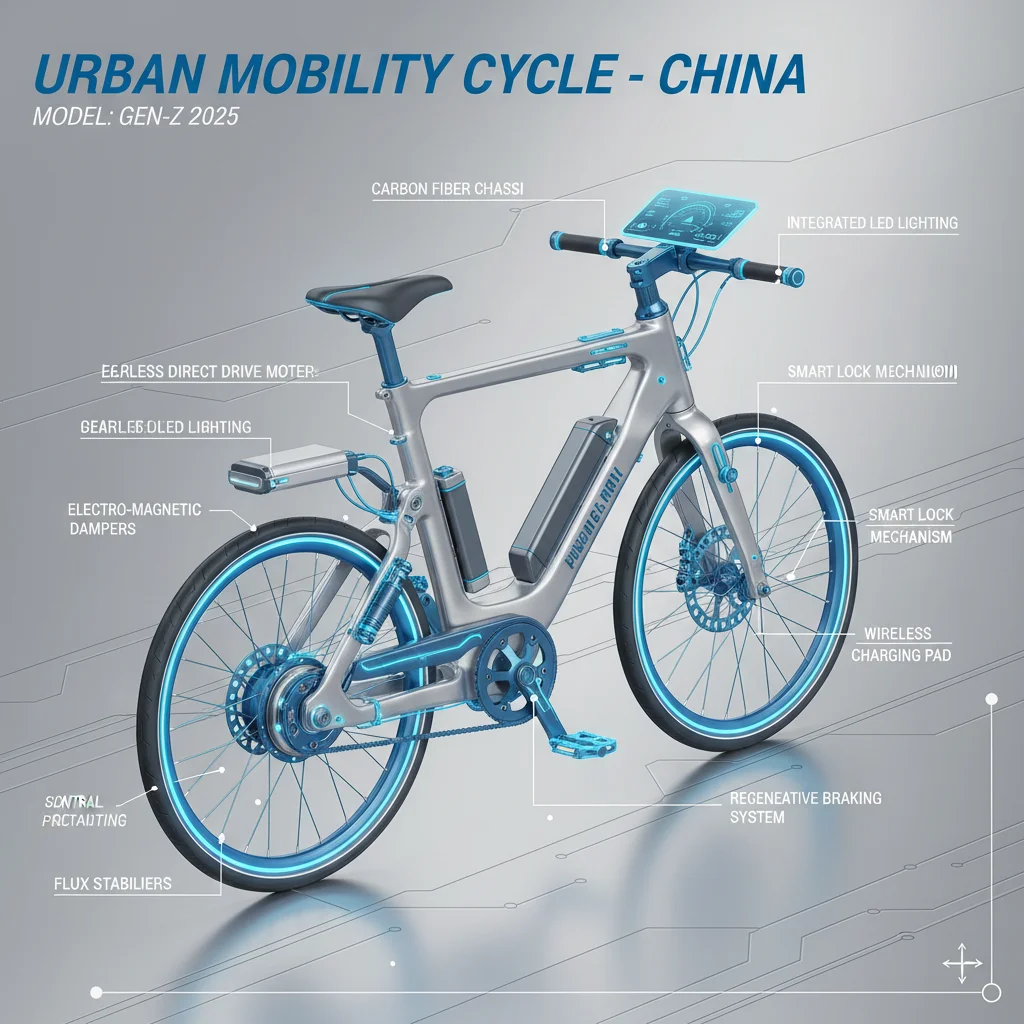
The application of parts sourced from a wholesale bike parts distributor spans the entire spectrum of human mobility. In densely populated European cities, for example, the demand for city bikes and folding bicycles has surged. Distributors support this by providing high-volume shipments of mudguards, baskets, and reliable locking mechanisms that cater to the urban commuter's needs for practicality and security.
Conversely, in the realm of competitive sports, the requirements shift toward ultra-lightweight materials and extreme precision. A specialized wholesale bike parts distributor caters to the racing circuit by offering carbon-fiber components, high-grade shifting systems, and aerodynamic rims. This versatility allows a single distribution partner to serve both a casual neighborhood bike shop and a high-end performance center.
Long-Term Value of Stable Distribution Partnerships
Building a long-term relationship with a wholesale bike parts distributor provides stability in an otherwise volatile market. When a trusted partnership is established, retailers often gain access to "first-look" opportunities for new product launches, such as the latest in e-bike motor components or innovative frame geometries, giving them a competitive edge over rivals who shop around for one-off deals.
Beyond the financial gains, there is an emotional and psychological value in trust. Knowing that a shipment of brake cables or seat posts will arrive on time and meet a consistent quality standard reduces the operational stress on business owners. This reliability translates directly into customer satisfaction; a rider who gets their bike fixed in one day because the shop had the part in stock is a rider who will return for years.
Furthermore, the educational support provided by a leading wholesale bike parts distributor is invaluable. From training on the installation of new BB shells to advice on the best tire compounds for specific climates, the distributor acts as a knowledge hub, elevating the technical skill level of the retailer's entire staff.
Future Trends in Bicycle Component Distribution
The future of the wholesale bike parts distributor landscape is being reshaped by digital transformation and sustainability. We are seeing a move toward "smart inventory" systems, where AI predicts demand spikes for specific parts—like inner tubes during spring or brake pads during winter—allowing distributors to optimize their warehouses and reduce lead times to near-zero.
Material science is also evolving, with a significant shift toward recycled aluminum and bio-based polymers for non-structural parts. Forward-thinking distributors are already curating "green" catalogs, helping their clients meet the increasing consumer demand for eco-friendly products. This transition not only reduces the environmental footprint but often leads to lighter, more durable components.
Finally, the integration of e-commerce platforms is streamlining the B2B experience. The transition from manual order forms to integrated API-driven portals allows a wholesale bike parts distributor to offer real-time stock tracking and automated reordering, ensuring that a bike shop never runs out of critical components during peak season.
Analysis of Future Component Trends and Distribution Impact
| Technology Trend |
Impact on Distribution |
Expected Efficiency Gain |
Implementation Difficulty |
| AI Demand Forecasting |
Reduced Overstocking |
9/10 |
Medium |
| Bio-Polymer Materials |
Eco-friendly Cataloging |
7/10 |
High |
| API-Based Ordering |
Instant Order Processing |
10/10 |
Low |
| Carbon-Neutral Logistics |
Reduced Carbon Footprint |
6/10 |
Medium |
| Modular Part Design |
Simplified Inventory Mgmt |
8/10 |
Medium |
| E-Bike Specialized Hubs |
Market Diversification |
9/10 |
Low |
FAQS
Look for a distributor that offers a comprehensive product range (from drivetrain to safety gear), demonstrates transparent quality control certifications (like ISO), and provides a digital ordering system. A good distributor should not only offer competitive pricing but also technical support and reliable lead times to ensure your shop stays operational during peak seasons.
Yes, many professional distributors have existing relationships with factories that offer OEM (Original Equipment Manufacturer) services. They can help you specify the materials and design for parts like bicycle frames or saddles, manage the production quality, and handle the logistics of importing your branded components into your local market.
MOQs vary widely. Large-scale global distributors may require higher volumes for customized parts, but for standard components like inner tubes or brake levers, they often have flexible MOQ policies to support smaller retailers. It is always best to negotiate "tiered pricing" where you can start small and lower your unit cost as your volume increases.
Reputable distributors implement rigorous sampling and batch testing. They perform stress tests on structural components (like forks and stems) and wear tests on consumables (like chains). By maintaining a long-term relationship with a few vetted factories rather than constantly chasing the lowest price, they ensure a consistent baseline of quality.
While diversifying reduces the risk of a single point of failure, partnering with one primary wholesale bike parts distributor often yields better pricing, simplified accounting, and stronger loyalty rewards. The ideal strategy is to have one primary partner for 80% of your needs and a few secondary suppliers for specialized or niche components.
Depending on the agreement, shipping is handled via Incoterms like FOB (Free On Board) or CIF (Cost, Insurance, and Freight). Many distributors offer free shipping once a certain order threshold is met, or they provide discounted freight rates through their own logistics partnerships, which can significantly reduce your overhead.
Conclusion
In summary, the role of a wholesale bike parts distributor extends far beyond simple logistics; it is a strategic partnership that enables business growth, ensures rider safety through quality control, and provides the scalability necessary to adapt to a changing market. By balancing cost-efficiency with high industry standards, a professional distributor empowers retailers to focus on their customers while the complex machinery of global sourcing runs seamlessly in the background.
Looking ahead, the cycling industry will continue to be driven by the dual forces of electrification and sustainability. To thrive, businesses must align themselves with distributors who embrace digital transformation and eco-friendly manufacturing. Investing in a stable, transparent, and technically proficient distribution network today is the most effective way to ensure long-term viability and success in the global mobility market. Visit our website: www.ikia-tanda.com