The humble city bike is more than just a mode of transportation; it’s a cornerstone of sustainable urban living, personal health, and community connection. Its simplicity belies a powerful role in addressing challenges from traffic congestion to environmental concerns, making it a vital component of modern cityscapes globally. Understanding the nuances of city bike design, usage, and impact is crucial for urban planners, policymakers, and individuals seeking to improve their quality of life.
Globally, the demand for sustainable transportation solutions is surging. According to the UN Environment Programme, cycling contributes significantly to reducing carbon emissions and improving air quality in urban areas. Furthermore, the World Bank recognizes the economic benefits of cycling infrastructure, citing reduced healthcare costs and increased productivity. However, many cities still lack adequate infrastructure to support widespread city bike use, creating a challenge that demands innovative solutions and strategic investment.
The rise of bike-sharing programs and dedicated bike lanes illustrates a growing awareness of the benefits. However, ensuring accessibility, safety, and inclusivity requires a comprehensive understanding of the unique needs of diverse urban populations. The city bike, therefore, becomes a central element in building more resilient and livable cities for the future.
The Global Relevance of city bike
The proliferation of city bike programs is intrinsically linked to global efforts to combat climate change and improve public health. With urban populations projected to reach 68% by 2050 (UN Department of Economic and Social Affairs), the need for sustainable transportation solutions has never been greater. Cities are increasingly recognizing cycling as a key element in reducing carbon footprints and promoting healthier lifestyles.
This trend extends beyond developed nations. In many rapidly urbanizing countries, the city bike offers an affordable and accessible mode of transport for millions, particularly those with limited access to private vehicles. However, infrastructure challenges and safety concerns remain significant barriers to widespread adoption, requiring targeted investment and policy interventions.
Defining the city bike
A city bike, at its core, is a bicycle designed for practical, everyday transportation within urban environments. It differs from racing bikes or mountain bikes in its focus on comfort, durability, and practicality rather than speed or off-road capability. Common features include upright riding positions, fenders, chain guards, and integrated lighting systems.
The modern iteration of the city bike extends beyond the individual vehicle. It encompasses integrated systems like bike-sharing schemes, dedicated bike lanes, secure bike parking facilities, and supportive policies promoting cycling. These elements work in concert to create a comprehensive transportation ecosystem.
Its connection to modern industry lies in the burgeoning field of micromobility. As cities prioritize pedestrian and cyclist-friendly infrastructure, companies are investing heavily in designing and deploying innovative city bike solutions, contributing to economic growth and technological advancement.
Key Components of a Robust city bike System
A successful city bike system relies on several critical components working in harmony. First is a well-maintained fleet of bicycles, robust enough to withstand heavy use and varying weather conditions. Second is a user-friendly rental or ownership model, making cycling accessible to a broad range of users.
Crucially, a network of dedicated bike lanes and safe cycling infrastructure is paramount. These lanes provide separation from vehicular traffic, enhancing cyclist safety and encouraging wider adoption. Finally, supportive policies, such as bike parking regulations and traffic calming measures, further contribute to a cyclist-friendly environment.
Effective system management, including regular maintenance, rebalancing of bikes across the network, and responsive customer support, are also vital. Data analytics can play a significant role in optimizing the system's performance and tailoring it to user needs, further enhancing the efficacy of city bike infrastructure.
Durability and Longevity in city bike Design
The lifespan and robustness of a city bike are paramount, especially in high-usage environments like bike-sharing programs. Frames constructed from durable materials like aluminum alloy or steel are common, chosen for their ability to withstand the rigors of daily use.
Components such as tires, brakes, and chains must also be selected for their reliability and resistance to wear and tear. Regular maintenance schedules and quality control measures are essential to maximize the longevity of the bikes and minimize repair costs.
Durability Ratings for Different city bike Component Materials
Applications of city bike Worldwide
City bike systems have been successfully implemented in a diverse range of cities across the globe. Paris’s Vélib’ program, one of the earliest and most extensive, has revolutionized urban transportation in the French capital. Similarly, Copenhagen’s cycling infrastructure has made it a global leader in sustainable urban mobility.
In North America, cities like New York and Chicago have embraced bike-sharing initiatives to alleviate traffic congestion and promote healthier lifestyles. Beyond traditional bike-sharing, electric city bike programs are gaining traction in hilly cities, providing an accessible option for a wider range of users.
Benefits and Long-Term Value of city bike
The benefits of promoting city bike use are multifaceted. Economically, cycling reduces transportation costs for individuals and decreases healthcare expenditures related to sedentary lifestyles. Environmentally, it lowers carbon emissions and improves air quality, contributing to a more sustainable future.
Socially, it promotes physical activity, fosters community engagement, and enhances the livability of urban areas. The accessibility and affordability of city bikes provide transportation options for individuals who might otherwise be excluded from conventional transit systems.
Beyond these tangible benefits, city bike use fosters a sense of freedom and independence, encouraging exploration and connection within the urban landscape. This contributes to a greater sense of well-being and quality of life for city residents.
Future Trends and Innovations in city bike Technology
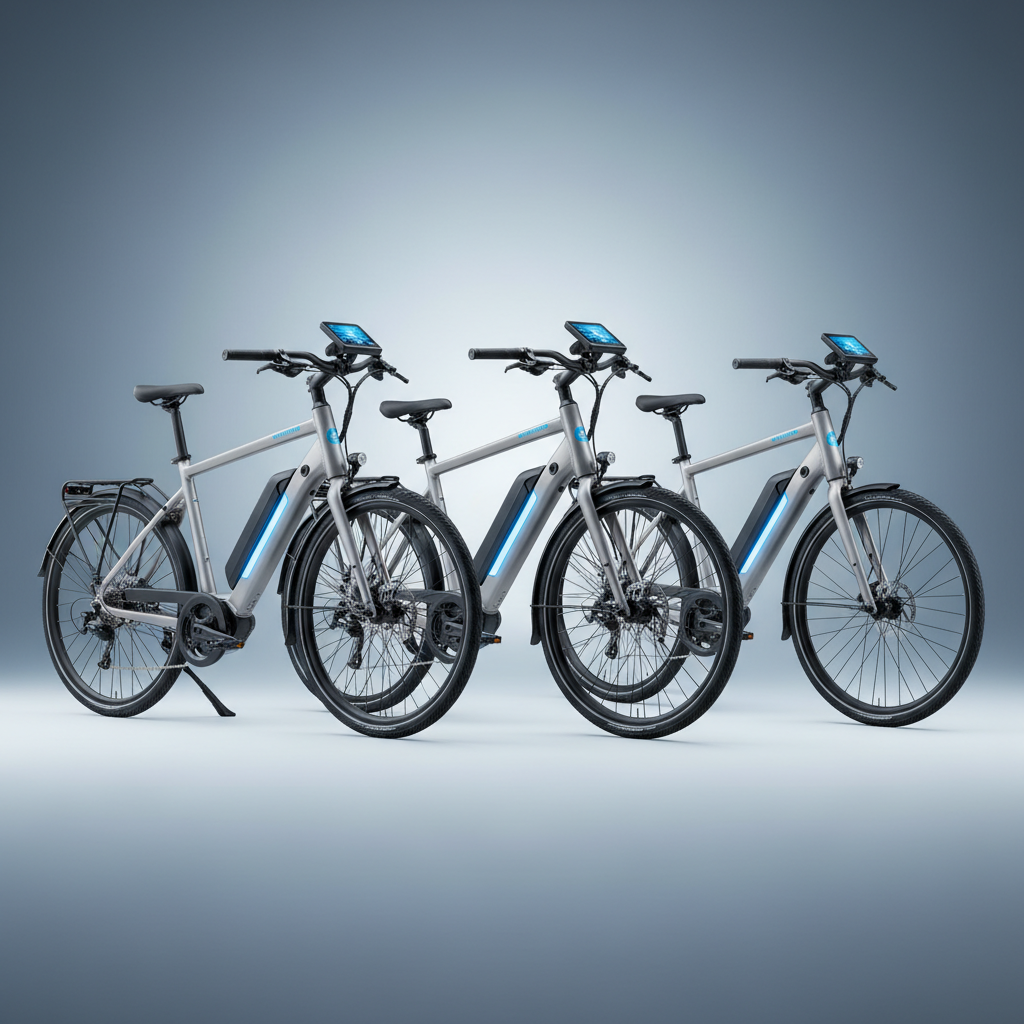
The future of city bike technology is brimming with innovation. The integration of smart technologies, such as GPS tracking, mobile payment systems, and real-time data analytics, is enhancing the user experience and optimizing system performance. The rise of electric city bikes is making cycling more accessible to a wider range of users, particularly in hilly terrain.
Furthermore, advancements in materials science are leading to the development of lighter, more durable, and more sustainable bicycle frames and components. Exploring new battery technologies for e-bikes and developing more efficient charging infrastructure will be crucial for widespread adoption.
Policy innovations, such as congestion pricing and increased investment in cycling infrastructure, will also play a vital role in shaping the future of city bike. The convergence of technology, policy, and infrastructure will unlock the full potential of cycling as a sustainable transportation solution.
Summary of Future Trends and Challenges in city bike Development
| Trend/Challenge |
Impact on city bike Systems |
Severity (1-10) |
Mitigation Strategies |
| E-bike Integration |
Increased accessibility, wider user base |
6 |
Invest in charging infrastructure, battery technology |
| Smart Lock Technology |
Improved security, seamless rentals |
7 |
Ensure data privacy, regular security updates |
| Infrastructure Gaps |
Limited access, safety concerns |
9 |
Advocate for dedicated bike lanes, safe routes |
| Vandalism and Theft |
Increased maintenance costs, reduced availability |
8 |
Implement robust security measures, community outreach |
| Data Privacy Concerns |
Erosion of user trust, regulatory scrutiny |
5 |
Implement transparent data policies, secure data storage |
| Climate Change Impacts |
Extreme weather, damage to infrastructure |
7 |
Invest in resilient infrastructure, weather-resistant bikes |
FAQS
Switching to a city bike for your daily commute offers a multitude of benefits. It’s a cost-effective alternative to cars, reducing fuel and parking expenses. Cycling is also a fantastic form of exercise, contributing to improved physical health and well-being. Moreover, it reduces your carbon footprint, helping to combat climate change. It can also be a faster option than driving in congested urban areas, especially during peak hours. Regularly using a city bike ultimately promotes a healthier lifestyle and a more sustainable urban environment.
Bike-sharing programs play a crucial role in enhancing urban sustainability. By providing readily available city bikes, they encourage residents and visitors to opt for cycling over cars for short trips. This reduces traffic congestion, lowers air pollution, and promotes a more active lifestyle. These programs also offer a convenient and affordable transportation option, particularly for individuals who don’t own a bicycle. Successful programs require robust infrastructure and continuous maintenance to ensure accessibility and safety.
Prioritizing safety is essential when cycling in urban traffic. Always wear a helmet, and consider bright, reflective clothing to enhance visibility. Be aware of your surroundings, anticipating potential hazards like cars, pedestrians, and potholes. Use hand signals to indicate your intentions to other road users. Obey traffic laws and utilize designated bike lanes whenever possible. Regularly maintain your city bike, ensuring brakes and tires are in good working order, will further improve your safety.
Electric city bikes are an excellent option for navigating hilly areas. The electric motor provides assistance, making it easier to climb inclines without excessive exertion. This expands the accessibility of cycling to individuals who might otherwise find hills challenging. E-bikes are also beneficial for longer commutes, allowing you to arrive at your destination feeling refreshed and energized. However, consider the battery range and charging availability when choosing an e-bike.
The presence of dedicated city bike infrastructure—such as protected bike lanes, secure parking facilities, and well-maintained paths—has a significant impact on ridership rates. Safe and convenient infrastructure encourages more people to choose cycling as a mode of transportation. Conversely, a lack of infrastructure or unsafe cycling conditions can deter potential riders. Investment in cycling infrastructure is therefore crucial for promoting cycling and achieving urban sustainability goals.
Cities can implement several strategies to encourage greater city bike adoption. Investing in comprehensive cycling infrastructure is paramount, alongside implementing bike-sharing programs and promoting cycling education initiatives. Offering financial incentives, such as tax breaks or subsidies for bike purchases, can also be effective. Creating a cyclist-friendly culture through public awareness campaigns and supporting community cycling events will further promote cycling as a viable and desirable transportation option.
Conclusion
In conclusion, the city bike represents more than just a mode of transport; it’s a cornerstone of sustainable urban development, public health, and community wellbeing. From reducing carbon emissions and alleviating traffic congestion to promoting physical activity and enhancing quality of life, the benefits are profound and far-reaching. Understanding the key components of robust city bike systems, embracing future innovations, and addressing existing challenges are crucial steps towards realizing its full potential.
Looking ahead, continued investment in cycling infrastructure, supportive policies, and technological advancements will be essential for fostering a cycling-centric urban environment. By prioritizing the city bike, cities can create more livable, sustainable, and equitable communities for all. Visit our website at www.ikia-tanda.com to learn more about how we can help build a brighter, more sustainable future through the power of cycling.