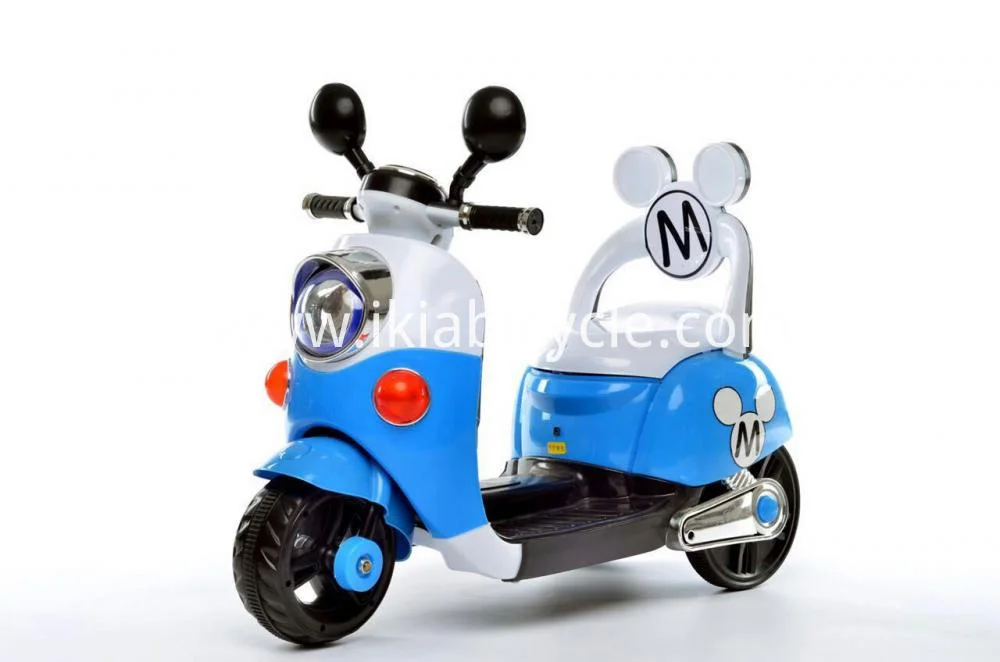
Choosing the Right Tricycle for Kid: A Comprehensive Guide
Selecting the perfect tricycle for your child is a delightful yet important task. A tricycle provides a fantastic foundation for developing balance, coordination, and confidence. This guide will explore the different types of tricycles available, key features to consider, and how to choose the best option for your little one's age and development. We'll help you navigate the market and find a tricycle that brings joy and encourages outdoor activity.
Understanding Different Types of Tricycles
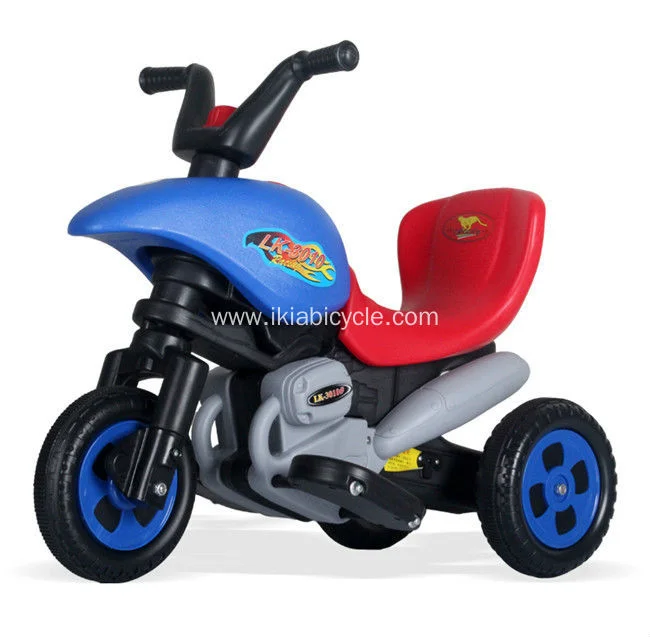
Tricycles come in a variety of designs, each suited for different age groups and skill levels. Classic tricycles feature a traditional low-to-the-ground design, ideal for younger toddlers learning to pedal. Parent-controlled tricycles allow parents to steer and guide the tricycle, offering peace of mind for beginners. Convertible tricycles grow with your child, often starting as a tricycle with a push handle and later converting to a pedal-powered tricycle as they gain independence. Finally, electric tricycles are emerging as a fun, assisted option for longer rides and varied terrain. Choosing the right type depends on your child's age, coordination, and your comfort level with supervision.
Key Takeaway: Consider your child’s developmental stage and your desired level of control when selecting a tricycle type. Convertible tricycles offer the most long-term value.
Factors to Consider When Choosing a Tricycle for Kid
Several factors influence the suitability of a tricycle. Age and size are paramount; ensure the tricycle is appropriately sized for your child’s height and reach. Durability and material quality are crucial for longevity and safety – look for sturdy metal frames and durable plastic components. Safety features like a wide wheelbase, low center of gravity, and secure pedals are essential. Adjustability allows the tricycle to grow with your child, while additional features like storage baskets or fun designs can enhance the riding experience. Finally, budget is a key consideration, so determine your price range before beginning your search.
Essential Considerations:
• Age and Size Appropriateness
• Durability and Material Quality
• Key Safety Features
• Growth and Adjustability
Comparing Popular Tricycle Models
The market offers a wide range of kid’s tricycles. Here's a comparison of a few popular models:
| Model |
Age Range |
Key Features |
Price (Approx.) |
| Radio Flyer Glide & Go Tricycle |
2-5 years |
Steel frame, adjustable seat, wide wheelbase |
$70 - $90 |
| Little Tikes Pacific Tricycle |
3-6 years |
Durable plastic, coaster brake, fun design |
$60 - $80 |
| Joovy Tricycler |
18 months - 4 years |
Convertible design, parent steering handle, adjustable seat |
$120 - $150 |
Safety Tips for Tricycle Riding
Safety is paramount. Always ensure your child wears a properly fitted helmet when riding a tricycle. Choose a flat, smooth surface away from traffic. Supervise young children closely, especially during their initial learning phase. Teach your child basic traffic safety rules, such as looking both ways before “crossing” a driveway. Regularly inspect the tricycle for any loose parts or damage. And always ensure your child wears appropriate footwear, avoiding sandals or flip-flops.
Where to Buy and What to Look for at Ikiya-Tanda
At Ikiya-Tanda, you'll find a carefully curated selection of high-quality tricycles designed for safety, durability, and fun. We offer a range of models to suit different ages and skill levels. When browsing our selection, pay attention to the tricycle's specifications, read customer reviews, and utilize our helpful comparison tools. Our knowledgeable staff are available to answer any questions you may have and guide you towards the perfect tricycle for your kid. We prioritize your child’s safety and offer only products that meet stringent quality standards.
Conclusion: Making the Right Choice for Your Little Rider
Choosing the right tricycle is an investment in your child’s development and enjoyment. By considering the factors outlined in this guide, you can find a tricycle that provides years of fun, exercise, and valuable learning experiences. Visit Ikiya-Tanda today to explore our selection and discover the perfect ride for your little one!
Frequently Asked Questions (FAQs)
At what age can my child start riding a tricycle?
Generally, children can begin riding a tricycle around 2.5 to 3 years old, once they have developed the leg strength and coordination to pedal. Parent-controlled tricycles can be introduced earlier, around 18 months, to help younger children develop a sense of balance and steering. It’s important to observe your child’s individual development and ensure they can reach the pedals comfortably. Starting with a tricycle that allows them to scoot with their feet before pedaling can also be a good approach.
What type of terrain is suitable for tricycle riding?
Tricycles are best suited for flat, smooth surfaces such as sidewalks, paved pathways, or driveways. Avoid riding on uneven terrain, grass, or gravel, as this can make it difficult for your child to pedal and maintain balance. Always inspect the riding surface for obstacles like rocks, sticks, or holes before allowing your child to ride. Supervise closely, especially if the surface is unfamiliar.
How often should I check my child's tricycle for maintenance?
Regular maintenance is crucial for safety. Before each ride, quickly check the tires for proper inflation, the pedals for smooth operation, and the steering for any looseness. Periodically (every month or so), inspect the frame for cracks or damage, and lubricate the moving parts. Tighten any loose bolts or screws immediately. Following these simple steps will ensure your child’s tricycle remains in safe working condition.