Choosing the Right Infant Walker: A Comprehensive Guide
Selecting an infant walker is a big decision for parents eager to support their baby’s developing mobility. However, it's essential to prioritize safety and choose a walker that promotes healthy development. This article provides a detailed overview of infant walkers, covering their benefits, safety considerations, types available, and how to choose the best one for your little one. We'll navigate the options and help you make an informed decision that supports your baby's first steps.
Benefits of Using an Infant Walker
Infant walkers can offer several benefits when used appropriately. They can provide babies with a new perspective of their surroundings, encouraging visual and cognitive development. The ability to move independently can also boost a baby's confidence and self-esteem. Furthermore, walkers can help babies strengthen their leg muscles as they practice walking motions. However, it’s vital to remember that walkers shouldn’t replace supervised floor time, which is crucial for overall motor skill development. At Ikia-Tanda, we focus on creating walkers that prioritize safety and support natural movement.
Key Benefits: Encourages visual and cognitive development, boosts confidence, strengthens leg muscles, provides a new perspective of surroundings.
Safety Considerations When Choosing an Infant Walker
Safety is paramount when selecting an infant walker. Look for walkers with a wide base to prevent tipping. Ensure the walker has sturdy brakes, especially for use on stairs (though stair use is generally discouraged). The height of the seat should be adjustable to ensure your baby's feet can comfortably touch the floor. Avoid walkers with small parts that could pose a choking hazard. Always supervise your baby while they are using a walker. The Ikia-Tanda range of walkers are rigorously tested to meet the highest safety standards.
Safety Checklist:
• Wide base for stability
• Sturdy brakes
• Adjustable seat height
• No small parts
Types of Infant Walkers Available
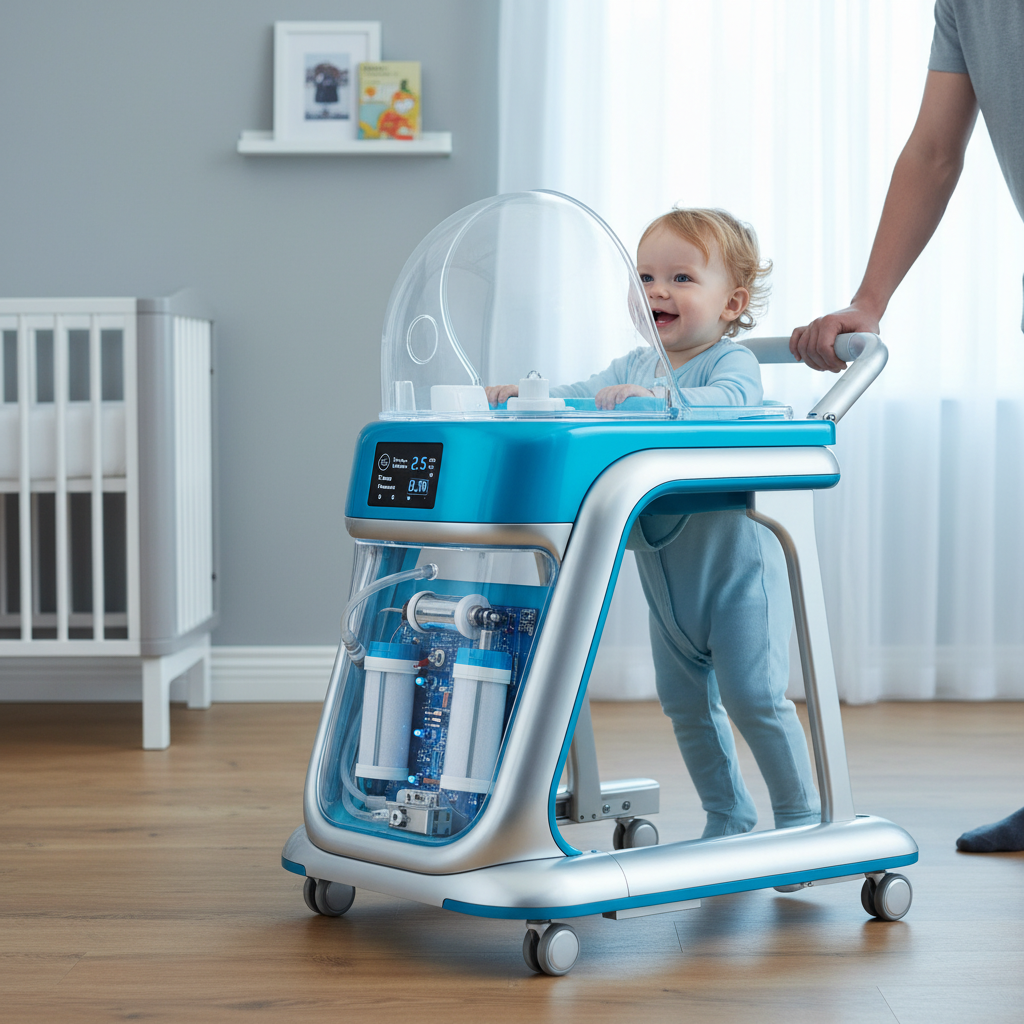
There are several types of infant walkers available, each with its own features. Traditional walkers have a seat surrounded by a frame with wheels. Jumpers provide a more active experience, allowing babies to bounce while they explore. Stationary activity centers offer a variety of toys and activities without the mobility of a walker. Convertible walkers can transform into a push walker as your baby grows, offering continued support as they learn to walk independently. Consider your baby's development stage and preferences when choosing a type. At Ikia-Tanda, we offer a variety of styles to suit different needs.
| Walker Type |
Features |
Pros |
Cons |
| Traditional Walker |
Seat with wheels, activity tray |
Provides mobility, engaging activities |
Can delay natural walking, potential safety concerns |
| Jumper |
Suspended seat, bouncing action |
Encourages leg strength, fun and engaging |
Limited exploration, may not be suitable for all babies |
| Stationary Activity Center |
Rotating toys, interactive features |
Safe and stationary, promotes cognitive development |
Doesn't provide mobility |
Choosing the Best Infant Walker: Key Features to Look For
When selecting an infant walker, consider features like adjustability, weight capacity, ease of cleaning, and the type of activities offered. A walker with multiple height settings will accommodate your baby’s growth. A sturdy frame and durable materials will ensure longevity. Removable and washable fabrics make cleaning a breeze. Engaging toys and activities will keep your baby entertained and stimulated. Ultimately, the best walker is one that prioritizes safety, supports healthy development, and fits your lifestyle.
Conclusion: Supporting Your Baby's First Steps Safely
Investing in Safe Mobility
Choosing the right infant walker is a significant step in supporting your baby's development. Prioritize safety features, consider your baby's individual needs, and always provide close supervision. At Ikia-Tanda, we are dedicated to providing high-quality, safe, and engaging walkers that help your little one explore the world with confidence.
Frequently Asked Questions (FAQs)
At what age can my baby start using a walker?
Generally, babies are developmentally ready for a walker around 6 months of age, when they have good head and neck control and can sit up independently. However, it’s crucial to consult with your pediatrician before introducing a walker. They can assess your baby's individual development and provide personalized recommendations. Remember, babies develop at different paces, and there’s no one-size-fits-all answer. Floor time is always more important.
How long should my baby use a walker each day?
Limit walker time to short sessions, no more than 15-20 minutes at a time, several times a day. Extended use can discourage natural walking and potentially lead to developmental delays. Always balance walker time with plenty of supervised floor time, allowing your baby to explore and practice crawling and sitting. Remember, the goal is to support development, not to replace essential movement activities.
Are there any risks associated with using an infant walker?
Yes, while walkers can offer some benefits, there are also risks. They can potentially delay natural walking development, increase the risk of falls, and give babies access to dangerous areas. Always supervise your baby closely while they are using a walker, and never use it near stairs or other hazards. Choosing a walker with sturdy brakes and a wide base can help mitigate these risks.