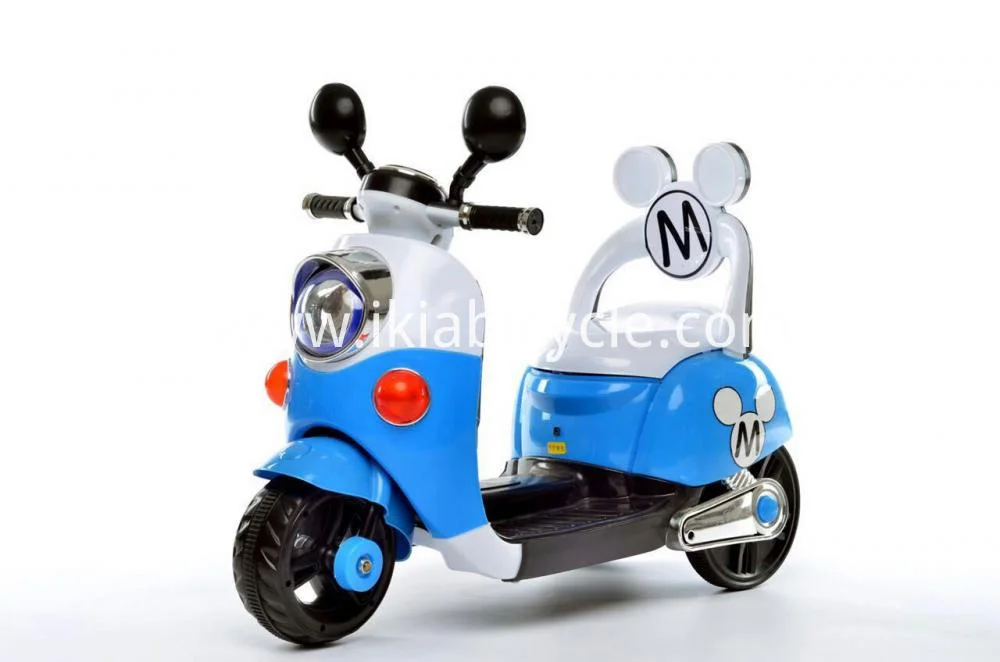
All Terrain Tricycle for Kids: A Comprehensive Guide
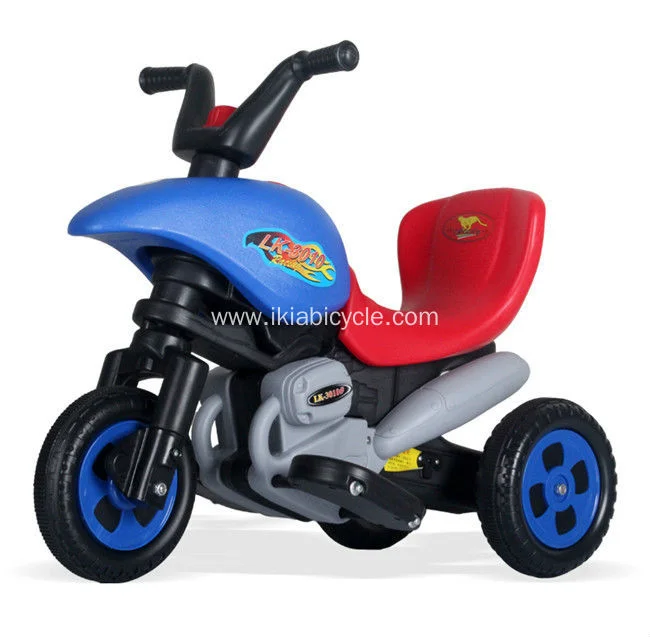
Looking for the perfect outdoor adventure companion for your little one? An all terrain tricycle for kids offers a unique blend of fun, exercise, and developmental benefits. These robust trikes are designed to tackle various terrains, from paved pathways to grassy fields, providing a smooth and stable ride. This article will explore the benefits of all terrain trikes, factors to consider when choosing one, and how to ensure your child's safety while they enjoy the outdoors. Choosing the right tricycle can foster a love for outdoor activity and build essential motor skills.
Why Choose an All Terrain Tricycle for Your Child?
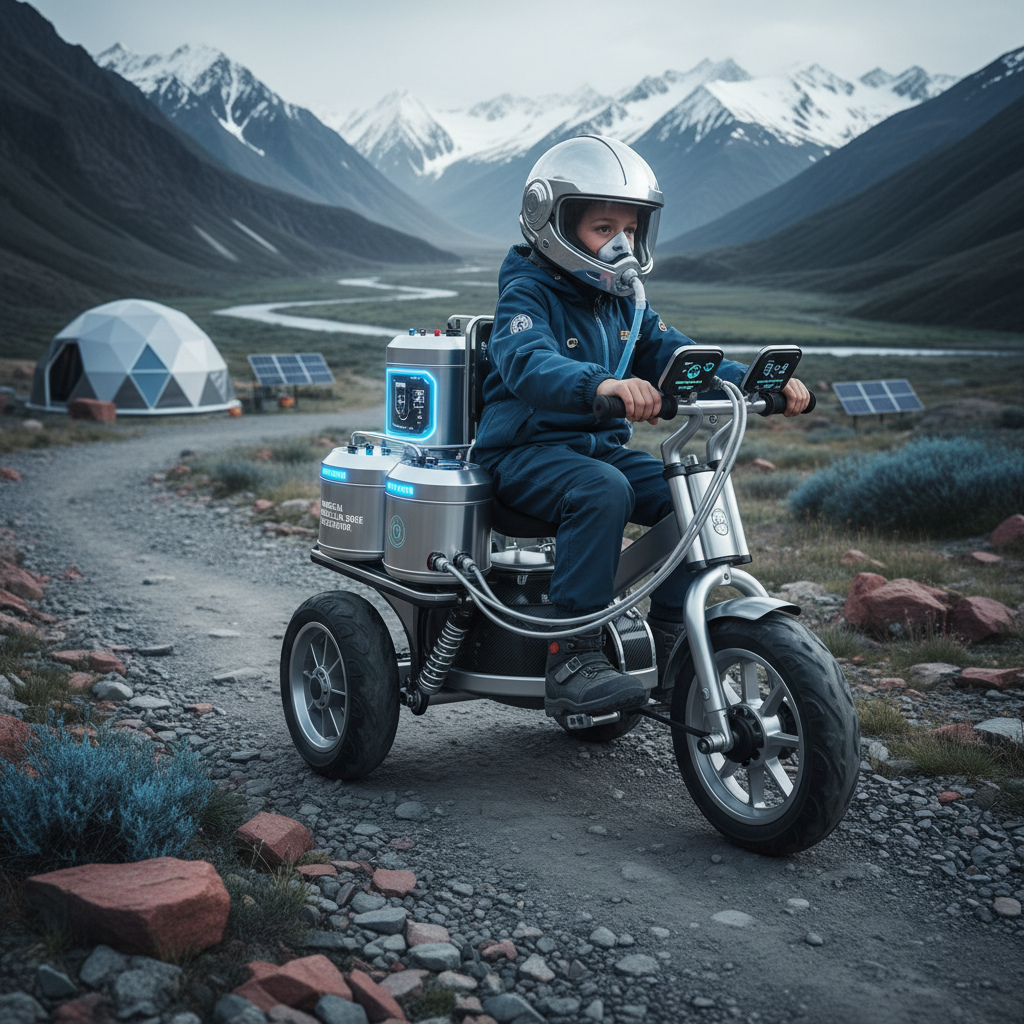
Unlike traditional trikes designed for smooth surfaces, all terrain tricycles are built with larger, wider tires and often feature a more durable frame. This construction enables them to handle uneven ground, grass, gravel, and even light trails. This opens up a wider range of riding possibilities for your child, encouraging exploration and physical activity. All terrain trikes are also fantastic for developing gross motor skills, coordination, and balance. They provide a great workout while being incredibly fun! Ikia-Tanda offers a range of high-quality all-terrain trikes designed with your child's safety and enjoyment in mind.
Key Benefits: Encourages outdoor activity, develops motor skills, promotes balance and coordination, provides a stable and safe ride on various terrains, and fosters a love for exploration.
Key Features to Look for in an All Terrain Tricycle
When selecting an all terrain tricycle, several key features are worth considering. Firstly, tire size and tread are crucial – larger, wider tires with a rugged tread pattern provide better traction and stability. Secondly, the frame material should be durable and lightweight, like steel or aluminum. Look for a tricycle with an adjustable seat to accommodate your child’s growth. Finally, safety features such as a low center of gravity, a secure harness (for younger riders), and a reliable braking system are essential. Consider the age and skill level of your child when evaluating these features.
Essential Features:
• Large, wide tires with rugged tread
• Durable and lightweight frame
• Adjustable seat
• Safety features: low center of gravity, harness, brakes
All Terrain Tricycle for Kids: Comparing Models
The market offers a variety of all terrain tricycles, each with unique features and price points. Here's a comparison of three popular models:
| Model |
Price (Approx.) |
Age Range |
Tire Size |
| Ikia-Tanda Explorer |
$189.99 |
2-5 years |
12 inches |
| Little Tikes Tough Trike |
$129.99 |
3-6 years |
10 inches |
| Radio Flyer Glide & Go |
$159.99 |
2.5-5 years |
12 inches |
Safety First: Tips for Riding an All Terrain Tricycle
Safety should always be the top priority. Always ensure your child wears a properly fitted helmet. Knee and elbow pads can provide additional protection, particularly when riding on rough terrain. Supervise your child closely, especially when they are first learning to ride. Choose a safe riding area away from traffic and obstacles. Regularly inspect the tricycle for any loose parts or damage. Teach your child basic safety rules, such as looking both ways before starting and braking properly. Ikia-Tanda provides detailed safety guidelines with each of our all terrain tricycles.
Choosing the Right Size All Terrain Tricycle
Selecting the correct size tricycle is crucial for your child’s comfort and safety. A tricycle that’s too large will be difficult to control, while one that’s too small won’t provide adequate support. Generally, the child’s inseam is the key measurement. Measure your child’s inseam while they are wearing shoes. Refer to the manufacturer’s sizing chart (available on our website) to determine the appropriate tricycle size. It’s always better to err on the side of slightly larger, as the seat can be adjusted.
Conclusion: Embrace the Adventure with an All Terrain Tricycle
An all terrain tricycle for kids is more than just a toy; it’s a gateway to outdoor exploration, physical activity, and developmental growth. By considering the factors outlined in this guide, you can choose the perfect trike to ignite your child’s adventurous spirit and create lasting memories. Prioritize safety, ensure the right fit, and let the fun begin!
Frequently Asked Questions (FAQs)
What age is appropriate for an all terrain tricycle?
Most all terrain tricycles are designed for children between the ages of 2 and 5, but this can vary depending on the model and the child’s developmental stage. It’s important to consider your child's height and inseam when choosing a tricycle. A child should be able to comfortably reach the pedals and have enough leg strength to propel the trike. Always refer to the manufacturer's age recommendations and sizing charts for the most accurate guidance. A tricycle that's too big or too small can be unsafe and frustrating for your child.
How do I maintain an all terrain tricycle?
Regular maintenance is crucial for ensuring your child’s safety and prolonging the life of the tricycle. Periodically check the tires for proper inflation and wear. Lubricate the moving parts, such as the pedals and chain, to ensure smooth operation. Inspect the brakes regularly to ensure they are functioning correctly. Also, check for any loose bolts or screws and tighten them as needed. Store the tricycle in a dry place to prevent rust and corrosion. Refer to the owner's manual for specific maintenance instructions.
Can all terrain tricycles be used on steep hills?
While all terrain tricycles are designed for various terrains, it's generally not recommended to use them on steep hills. The brakes on tricycles are not as powerful as those on bicycles, and a child may not have the strength or coordination to control the trike on a steep incline. If you do choose to ride on a gentle slope, ensure your child is closely supervised and understands how to use the brakes effectively. It’s always best to choose a relatively flat and safe riding area.
What is the weight limit for most all terrain tricycles?
The weight limit for all terrain tricycles typically ranges from 44 to 66 pounds (20 to 30 kilograms). It’s crucial to check the manufacturer’s specifications for the specific model you are considering. Exceeding the weight limit can compromise the tricycle’s stability and safety, potentially leading to accidents. Ensure your child’s weight is within the recommended range before allowing them to ride.