Choosing the Right Tricycles for 3-5 Year Olds: A Comprehensive Guide
Selecting a tricycle for your child aged 3-5 is a significant step in their development, fostering independence, coordination, and physical activity. With so many options available, understanding the key features and considerations is crucial. This guide will delve into the world of ticycles for 3-5 year olds, providing expert advice to help you make the best choice for your little one. We’ll explore safety features, developmental benefits, and how to choose a tricycle that grows with your child. Providing the right vehicle for this stage is key to helping them develop essential motor skills and a love for outdoor play.
Key Features to Look for in Tricycles for 3-5 Year Olds
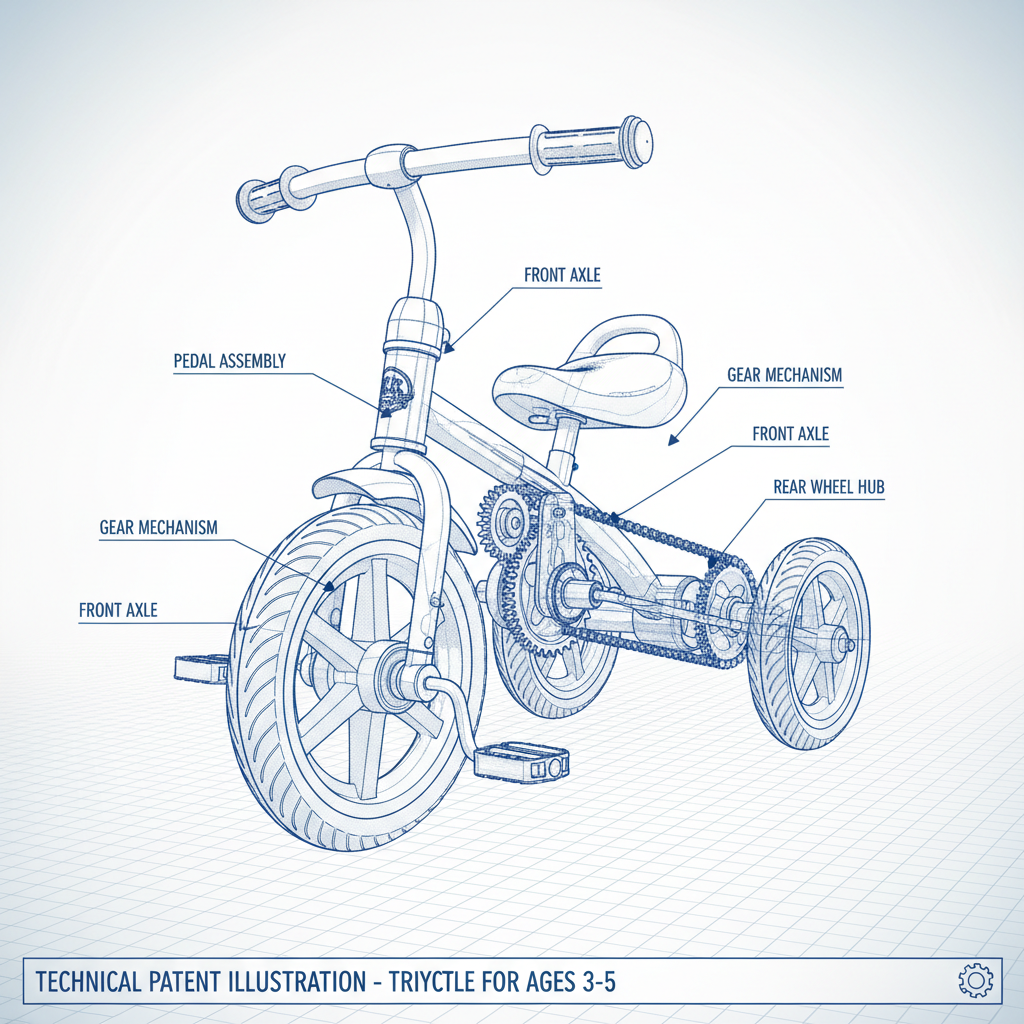
When choosing a tricycle, safety and durability should be your top priorities. Look for a sturdy steel frame that can withstand active play. Adjustable seats are vital to ensure a comfortable fit as your child grows. A wide wheelbase provides stability, reducing the risk of tipping. Features like a limited steering range can help prevent oversteering, especially for younger riders. Consider a tricycle with a rear coaster brake or a handbrake for added control. Finally, ensuring the tricycle meets relevant safety standards (like ASTM) is paramount.
Key Highlights: Sturdy steel frame, adjustable seat, wide wheelbase for stability, and reliable braking system are essential components for a safe and enjoyable tricycle experience.
The Benefits of Tricycles for Child Development
Riding a tricycle isn't just fun; it’s incredibly beneficial for a child’s development. It helps improve gross motor skills, strengthens leg muscles, and enhances coordination. The pedaling action encourages bilateral coordination, which is important for tasks like writing and cutting. Tricycles also promote spatial awareness and problem-solving skills as children learn to navigate their surroundings. Furthermore, riding a tricycle builds confidence and independence, fostering a sense of accomplishment. Ikia-Tanda’s range of tricycles is designed with all these developmental aspects in mind.
Developmental Benefits:
• Improves gross motor skills and coordination
• Strengthens leg muscles
• Enhances bilateral coordination
• Builds confidence and independence
Comparing Tricycle Types: Choosing the Best Fit for Your Child
Several types of tricycles are available, each with its own advantages. Classic tricycles offer stability and are great for beginners. Parent-controlled tricycles allow parents to steer and assist younger children. Convertible tricycles can be transformed from a tricycle to a balance bike, offering versatility as your child progresses. Finally, all-terrain tricycles are designed for outdoor adventures on various surfaces. Considering your child’s age, skill level, and riding environment will help you choose the most suitable type.
| Tricycle Type |
Pros |
Cons |
| Classic Tricycle |
Stable, easy to use, good for beginners |
Less versatile, can be bulky |
| Parent-Controlled Tricycle |
Provides assistance, ideal for younger children |
Limits child's independence |
| Convertible Tricycle |
Versatile, grows with the child |
May require assembly/disassembly |
| All-Terrain Tricycle |
Suitable for various surfaces, durable |
Can be heavier |
Safety First: Essential Tips for Tricycle Riding
Safety is paramount when it comes to tricycle riding. Always ensure your child wears a properly fitted helmet. Choose a flat, smooth surface away from traffic. Supervise your child closely, especially when they are first learning to ride. Teach them basic safety rules, such as looking both ways before "turning" and avoiding obstacles. Regularly inspect the tricycle for any loose parts or damage. Ikia-Tanda prioritizes safety with rigorously tested designs.
Product Specifications: Ikia-Tanda Tricycles for 3-5 Year Olds
Ikia-Tanda offers a range of tricycles specifically designed for children aged 3-5. Our tricycles feature durable steel frames, adjustable seats, and a wide wheelbase for optimal stability. The rear coaster brake provides reliable stopping power, while the limited steering range enhances safety. Each tricycle undergoes rigorous quality control to ensure it meets the highest safety standards. Below are some of our key models and their specifications:
| Model |
Age Range |
Weight Capacity |
Features |
| Tanda Explorer |
3-5 Years |
55 lbs |
Adjustable seat, coaster brake, limited steering |
| Tanda Adventurer |
4-5 Years |
66 lbs |
Adjustable seat & handlebars, coaster brake |
Conclusion: Empowering Little Riders with Ikia-Tanda
Choosing the right tricycle is an investment in your child’s development and well-being. Ikia-Tanda’s tricycles are designed with safety, durability, and fun in mind. We are committed to providing high-quality products that help children explore the world around them and build a lifelong love of outdoor play. Browse our collection today and find the perfect tricycle for your little adventurer!
Frequently Asked Questions (FAQs)
What age is a tricycle appropriate for?
Generally, tricycles are suitable for children aged 3 to 5 years old. However, it depends on the child’s individual development and coordination skills. A child should be able to sit upright independently and have the leg strength to pedal before using a tricycle. Starting with a tricycle with parental control or a push handle can be helpful for younger or less confident riders. It's important to choose a tricycle with an adjustable seat so it can grow with your child and maintain proper leg extension during pedaling.
How do I ensure my child's tricycle is properly adjusted?
Proper adjustment is critical for safety and comfort. The seat height should be adjusted so your child’s legs are slightly bent at the bottom of the pedal stroke. They should be able to comfortably reach the pedals without overextending. Ensure the handlebars are at a comfortable height, allowing for a relaxed grip. If the tricycle has a backrest, adjust it to provide adequate support without restricting movement. Regularly check the adjustments as your child grows.
What safety gear should my child wear while riding a tricycle?
A helmet is the most important piece of safety gear. It should fit snugly and meet safety standards. Knee and elbow pads can provide additional protection in case of falls. Closed-toe shoes are also recommended. Brightly colored clothing can help increase visibility. Always supervise your child while they are riding, and teach them basic safety rules, such as looking both ways before "turning".