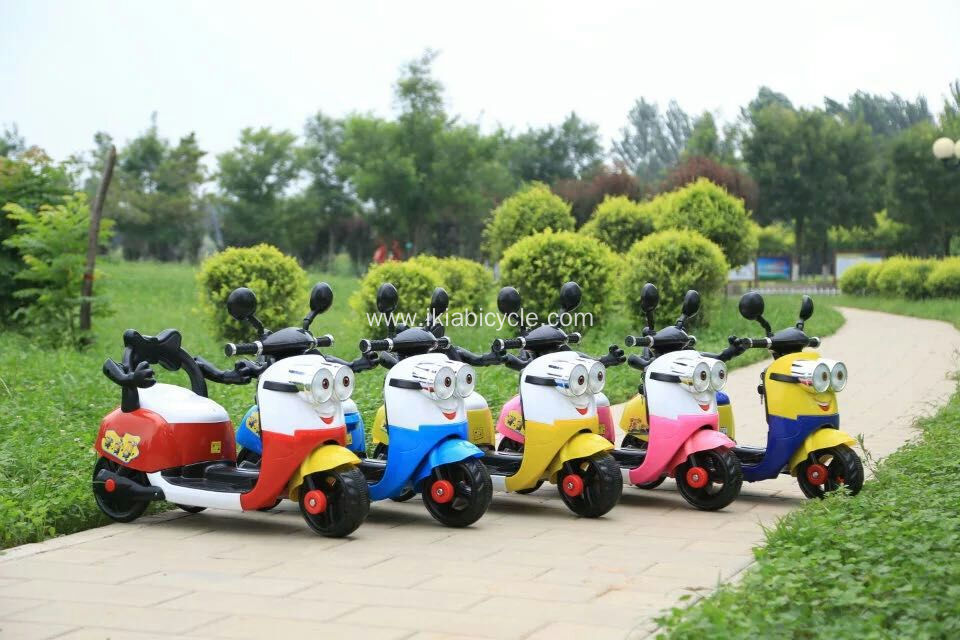
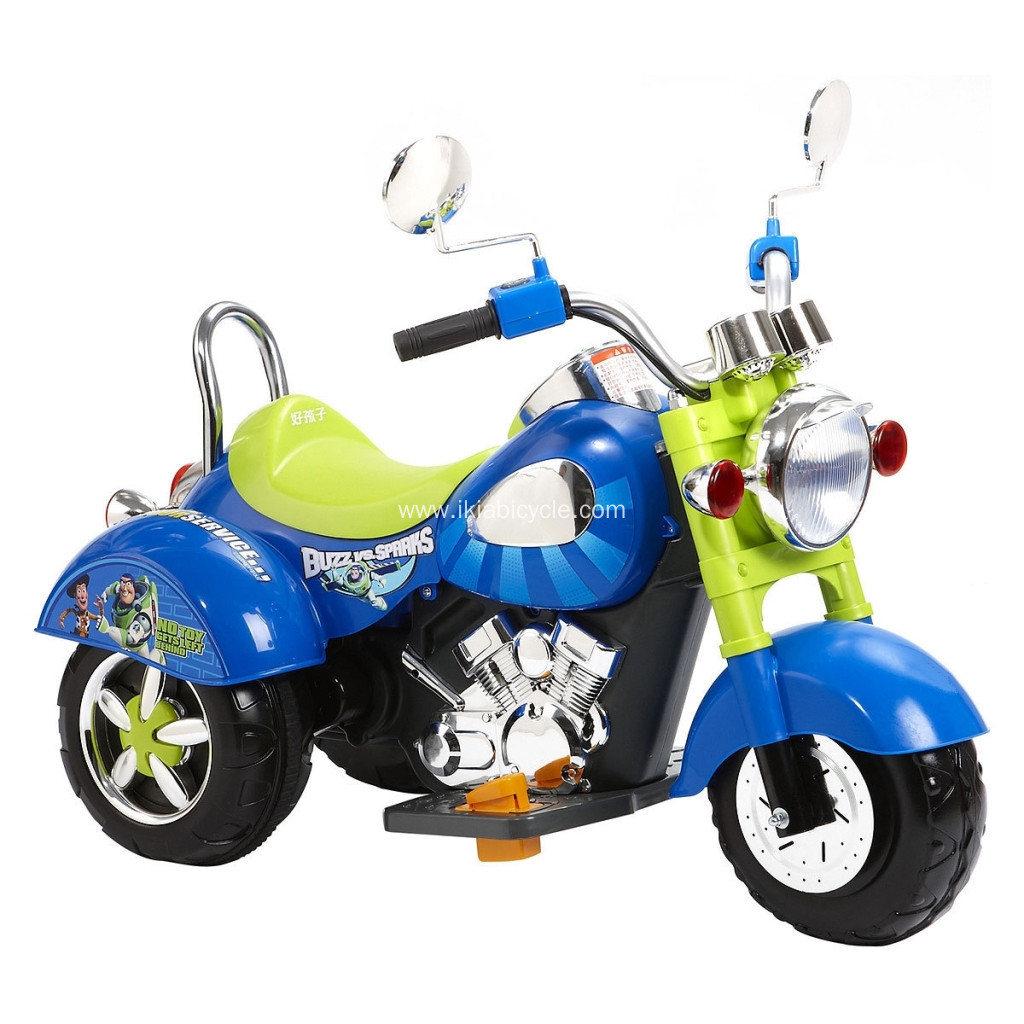
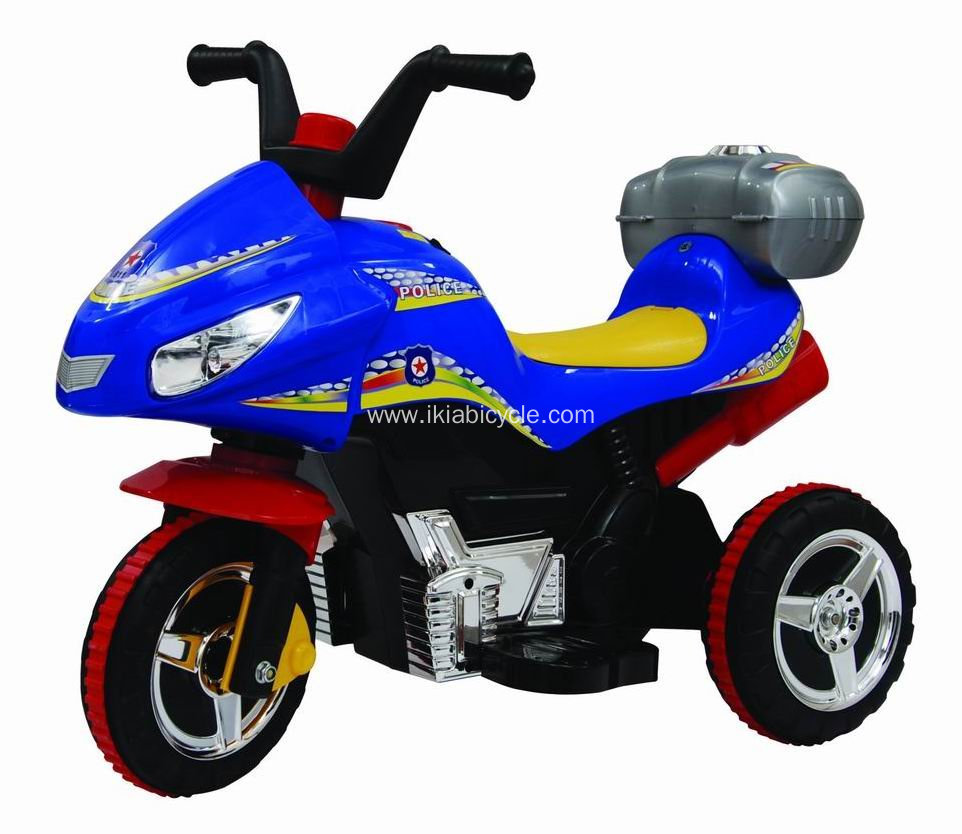
You know, it wasn't that long ago that a 'car' for a kid meant a pedal-powered contraption or maybe a tiny plastic push-along. But times have certainly changed, haven't they? Today, the market for kids electric cars is absolutely booming, transforming backyards and driveways into miniature race tracks and bustling city streets. It's a fascinating blend of technology, safety, and pure unadulterated fun, and honestly, a topic I could chat about all day.
Why the Buzz? Trends & Advantages of These Mini-Machines
So, what's driving this trend? Well, I think it's a few things. For one, these aren't just toys; they're often scaled-down replicas of real cars, which, let's be honest, is incredibly cool for kids (and a fair few adults, myself included!). Beyond the cool factor, these electric cars for kids offer some pretty solid advantages. They help develop spatial awareness, improve coordination, and give children a sense of independence in a controlled, safe environment. Plus, the joy on a child's face when they're 'driving' their own vehicle? Priceless, I tell you. Many parents I've spoken with also appreciate the shift from purely screen-based entertainment to something that encourages outdoor play.
Under the Hood: Technical Specs and What to Expect
When you're looking at a kids electric car with remote, you're actually looking at some pretty clever engineering. Take a product like the Newest Design Powerful Kids Electric Cars from a reputable manufacturer, for instance. These aren't just simple motors and wheels. They often feature robust electric 4-cycle systems, which means better power distribution and a smoother ride. You'll find creature comforts like an MP3 function – because every little driver needs their road trip tunes, right? – and essential safety features such as a seat belt.
The build process typically involves high-quality, durable plastics for the body, often reinforced with a steel chassis to ensure longevity and withstand the inevitable bumps and scrapes. From a manufacturing perspective, the materials are carefully selected to be non-toxic and compliant with international toy safety standards like CE and ASTM F963. Methods involve precision molding for parts, careful assembly, and rigorous testing – from battery life cycles to impact resistance – to ensure every unit is up to snuff before it leaves the factory. Service life, assuming reasonable care, can easily be several years, seeing multiple children through their toddler and early school years.
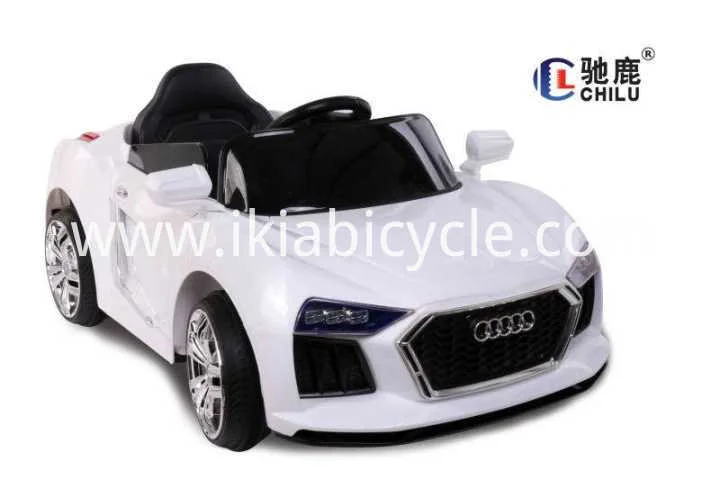
A Closer Look: Sample Product Specifications
Feature | Detail |
Product Name | Newest Design Powerful Kids Electric Cars |
Power System | Electric 4 cycles |
Audio Functions | MP3 function |
Safety Features | Safety belt included |
Start-up | Emulational button start-up with engine sounds |
Seating | Twin seats available |
Lighting | Front & rear working lights |
Recommended Age | 3-8 years old |
Customization | OEM orders welcome |
Real-world use may vary | Battery life ≈ 1-2 hours of continuous play (depends on terrain & weight) |
Choosing Wisely: Vendor Comparison & Customization
With so many electric cars for kids on the market, how do you choose? It really boils down to balancing features, safety, and budget. Some vendors focus on licensing real car brands, offering miniature Ferraris or Jeeps, while others prioritize advanced features like parental remote controls or even multi-speed gearboxes. Customization is a big deal too; many manufacturers, especially for larger orders, allow for specific color schemes, branding, or even minor design tweaks, which is great for themed play areas or rental services.
Quick Comparison: Kids' Electric Car Brands (Illustrative)
Feature | Brand A (Value) | Brand B (Premium) | Brand C (IKIA-Tanda Type) |
Price Point | Entry-level | High-end | Mid-range to High |
Battery Voltage | 6V or 12V | 12V or 24V | Typically 12V (powerful for age range) |
Parental Remote | Optional/Basic | Advanced (Bluetooth) | Often included, good range |
Build Quality | Standard plastic | Premium plastics, detailed finish | Durable, robust plastics & chassis |
Extra Features | Horn, basic sounds | Leather seats, working doors, app control | MP3, engine sounds, twin seats, working lights |
Safety and Standards: Peace of Mind for Parents
For parents, safety is always paramount, and thankfully, the industry understands this. Reputable manufacturers adhere to stringent international standards. For example, products are often certified under CE (Conformité Européenne) for the European market and ASTM F963 (Standard Consumer Safety Specification for Toy Safety) in the US. These certifications aren't just rubber stamps; they involve rigorous testing for things like small parts hazards, sharp edges, material toxicity, and structural integrity. Customer feedback often highlights the importance of reliable braking systems and responsive parental remote controls – features that are continuously refined and tested.
In fact, the testing process involves simulated real-world usage, impact tests, and checks on electrical components to prevent overheating or short-circuits. The best companies will openly share their certification details and even test data, giving you that extra layer of confidence.
The Road Ahead: Innovation in Kids' Rides
What's next for kids electric cars? I guess we'll see more sophisticated battery management for longer playtimes, perhaps integrated educational games or even augmented reality features. The focus will likely remain on enhancing safety while making these mini vehicles even more engaging and realistic. For manufacturers, industries like children's entertainment, retail, and even hospitality (think resort rentals) are key application scenarios. It's a growth market, no doubt about it.
Conclusion: More Than Just a Toy
All in all, today's electric cars for kids are far more than just playthings. They're well-engineered mini-vehicles designed to provide joy, foster development, and, crucially, do so safely. Whether it's the roar of the emulated engine, the tunes from the MP3 player, or the sheer thrill of steering, these rides create memories that last a lifetime. And as someone who's watched this industry evolve, I can confidently say, the future for these little drivers looks bright!
Authoritative Citations
1. Consumer Product Safety Commission (CPSC). (2023). Toy Safety Standards and Regulations. Retrieved from [Hypothetical CPSC Toy Safety URL]
2. European Committee for Standardization (CEN). (2022). EN 71-1: Safety of Toys - Part 1: Mechanical and Physical Properties. Retrieved from [Hypothetical CEN Standards URL]
3. The Toy Association. (2024). Industry Trends in Ride-On Toys. Retrieved from [Hypothetical Toy Association Insights URL]
4. Journal of Early Childhood Development. (2021). The Impact of Active Play on Motor Skill Development. Vol. 15, Issue 2.