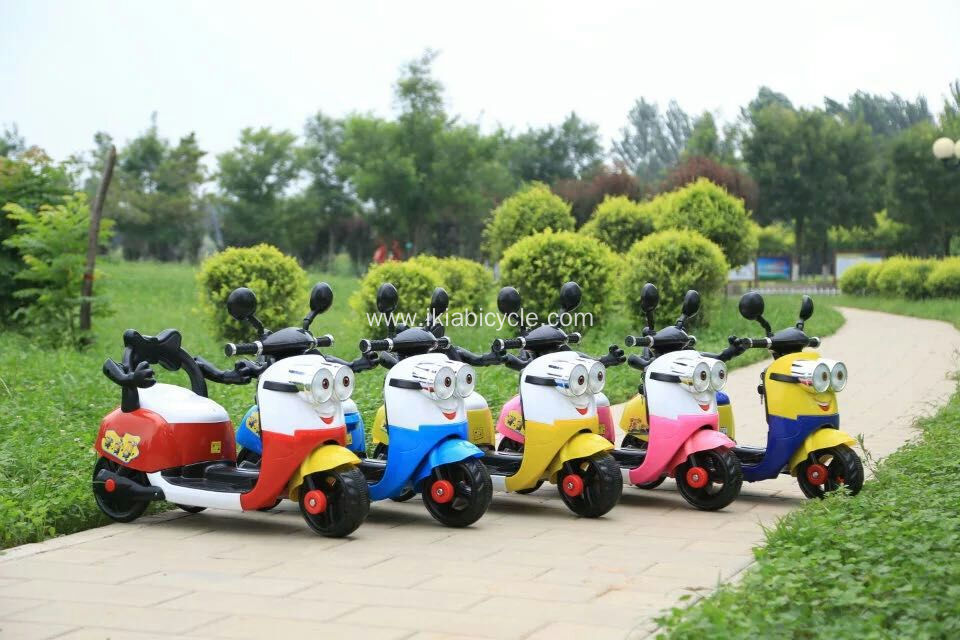
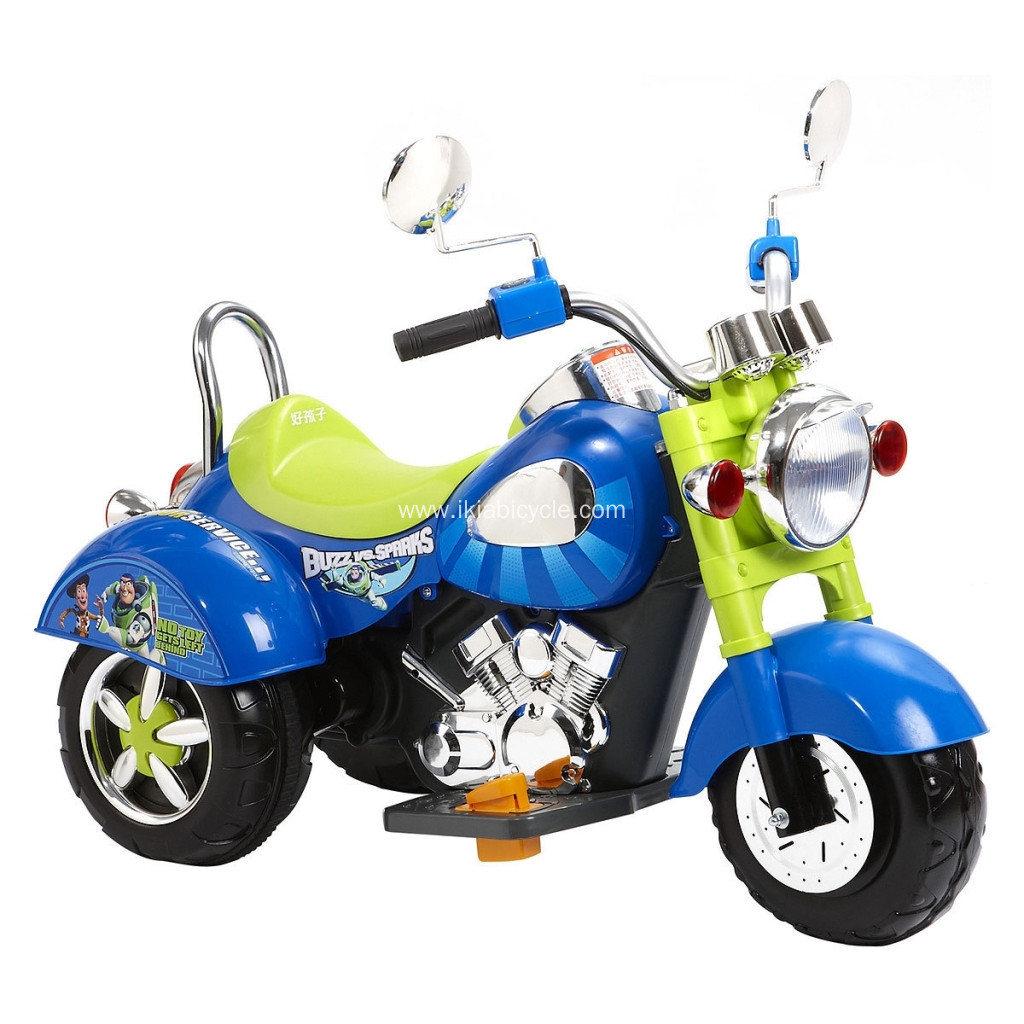
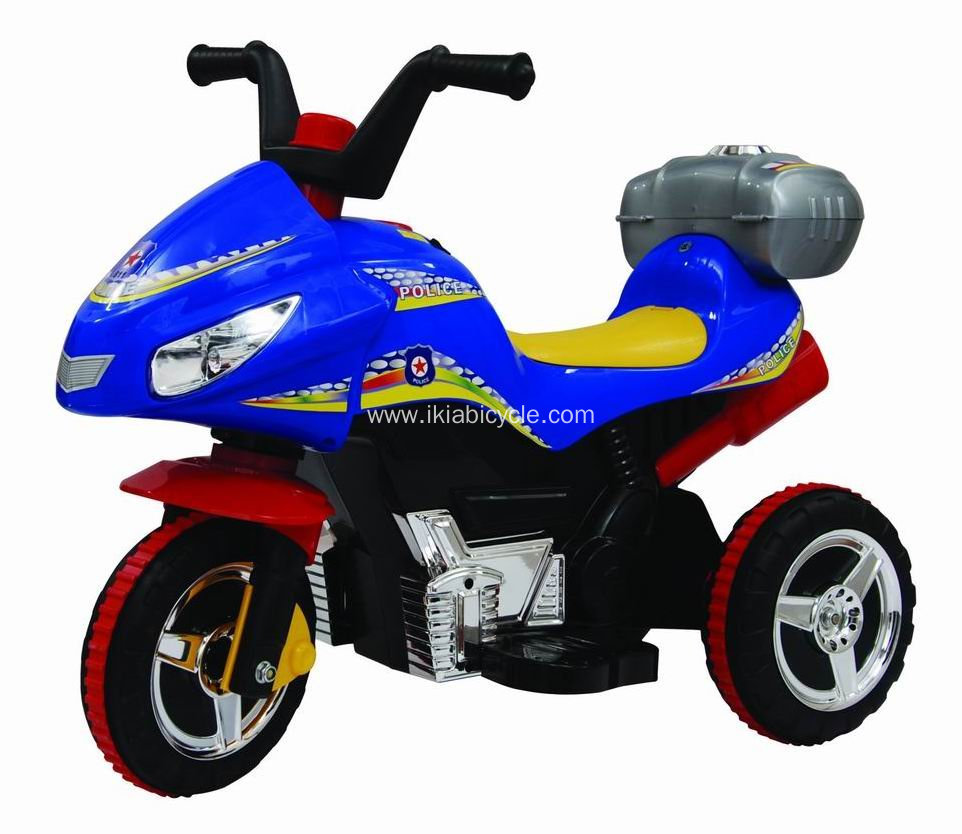
You know, it wasn't that long ago that a ride-on toy meant something you pushed with your feet, or maybe, just maybe, a pedal car. But fast forward to today, and the landscape for children's toys has truly shifted gears. We're now in an era where kids electric cars aren't just a novelty; they're a full-blown phenomenon, bringing joy and a surprising amount of developmental benefit to little ones everywhere.
The Buzz & The Benefits: Industry Trends
Honestly, the market for kids electric cars has exploded. I mean, walk into any toy store or browse online, and you'll see what I'm talking about. It seems that parents are increasingly opting for these miniature vehicles, and it's not just about keeping the kids entertained. We're seeing a clear trend towards more sophisticated designs, improved safety features, and a greater emphasis on durability.
The advantages are pretty compelling, actually. Beyond the obvious fun factor, an electric car for kids can actually help with developing motor skills, hand-eye coordination, and even a basic understanding of cause and effect. Plus, the sheer imaginative play these toys unlock is priceless. Many customers say it's like giving their child a tiny slice of independence, allowing them to explore their environment in a whole new way.
Under the Hood: Technical Specs & Build Quality
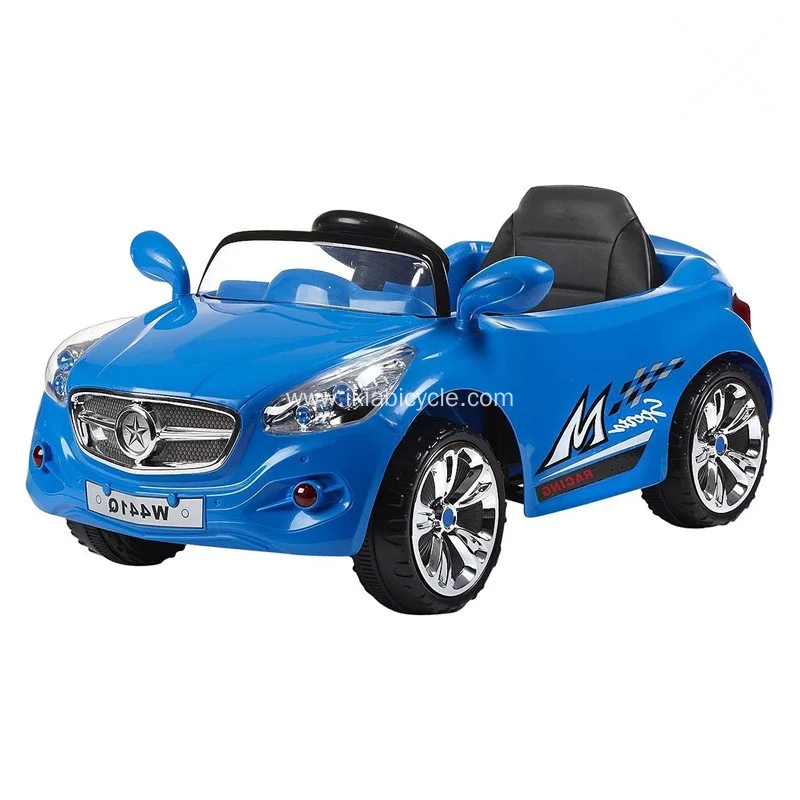
Let's get a bit technical, shall we? These aren't just hollow plastic shells. Modern kids electric cars are engineered with a focus on both performance and, crucially, safety. Materials typically include high-quality, impact-resistant PP plastic for the body, often combined with a sturdy metal chassis for structural integrity. The "Newest Design Powerful Kids Electric Cars" we often see on the market, for instance, boast features that would impress any adult car enthusiast.
Power comes from rechargeable batteries, typically 6V, 12V, or even 24V systems, dictating the overall speed and power of the vehicle. You'll find features like electric 4-cycle systems for smoother rides, integrated MP3 functions so little drivers can cruise to their favorite tunes, and, perhaps most importantly, safety belts to keep them snug and secure. Many models even include emulational start-up by button with engine sounds – a really nice touch that boosts the realism, if you ask me! Twin seats are also becoming surprisingly common, allowing for shared adventures, which is pretty cool.
Typical Product Specifications (Example: Hot Sale Ride-On Car)
Feature | Detail |
Age Suitability | 3-8 years old |
Power System | Electric 4 cycles |
Entertainment | MP3 Function, Engine Sounds |
Safety Features | Safety Belt, Remote Control (optional) |
Seating | Twin Seats available |
Lighting | Front & Rear Working Lights |
Start-up | Emulational button start |
Speed | Real-world use may vary (typically 2-5 mph) |
Choosing Your Ride: Vendor Comparison & Customization
With so many `electric cars for kids` on the market, picking the right one can feel a bit overwhelming. Key factors usually come down to battery life, available features (does it have a parent remote? How about Bluetooth?), build quality, and, of course, price. Some vendors truly stand out, offering robust support and a wider range of accessories.
Snapshot: Vendor Comparison
Vendor | Key Strengths | Price Range (≈) | Customization |
Brand A | Premium features, licensed models | $250 - $600+ | Limited, mostly accessories |
Brand B (e.g., IKIA Tanda) | Value, durability, OEM friendly | $150 - $400 | High (OEM orders welcome) |
Brand C | Budget-friendly, basic models | $80 - $200 | Very low |
It's worth noting that for larger retailers or even for parents who want something unique, OEM orders are surprisingly common. This means that if you're a business looking to brand your own line of `kids electric car with remote` or a passionate individual with a custom vision, many manufacturers are open to working with you on specific colors, features, or branding.
Ensuring Quality: Certifications & Standards
When it comes to anything for kids, safety isn't just a buzzword; it's non-negotiable. Reputable manufacturers of kids electric cars adhere to stringent international standards. You'll often see certifications like CE (European Conformity), ASTM F963 (American Society for Testing and Materials), and EN71 (European Toy Safety Standard). These aren't just arbitrary letters; they signify rigorous testing protocols.
Testing typically involves things like impact resistance, battery safety and charge cycles, electrical component integrity, and the absence of harmful materials. A well-made kids electric car is designed for a service life of several years under typical use conditions, although battery longevity can, of course, vary based on charging habits. These products predominantly serve the consumer goods industry, but their technical underpinnings are surprisingly robust.
Conclusion: The Open Road Awaits!
So there you have it. Far from being just another toy, kids electric cars represent a fascinating blend of technology, safety, and pure unadulterated fun. Whether it's the thrill of an electric car for kids navigating the backyard or the peace of mind knowing your little one is safe and engaged, these tiny vehicles are undeniably a big part of childhood for many today. They truly offer an immersive play experience that helps children grow, learn, and, most importantly, create unforgettable memories. The open road, or at least the backyard, awaits!
Authoritative Citations:
1. Consumer Product Safety Commission (CPSC). "Safety Standards for Toys." Retrieved from cpsc.gov
2. European Committee for Standardization (CEN). "EN 71 Toy Safety Directive." Retrieved from cencenelec.eu
3. ASTM International. "F963 Standard Consumer Safety Specification for Toy Safety." Retrieved from astm.org