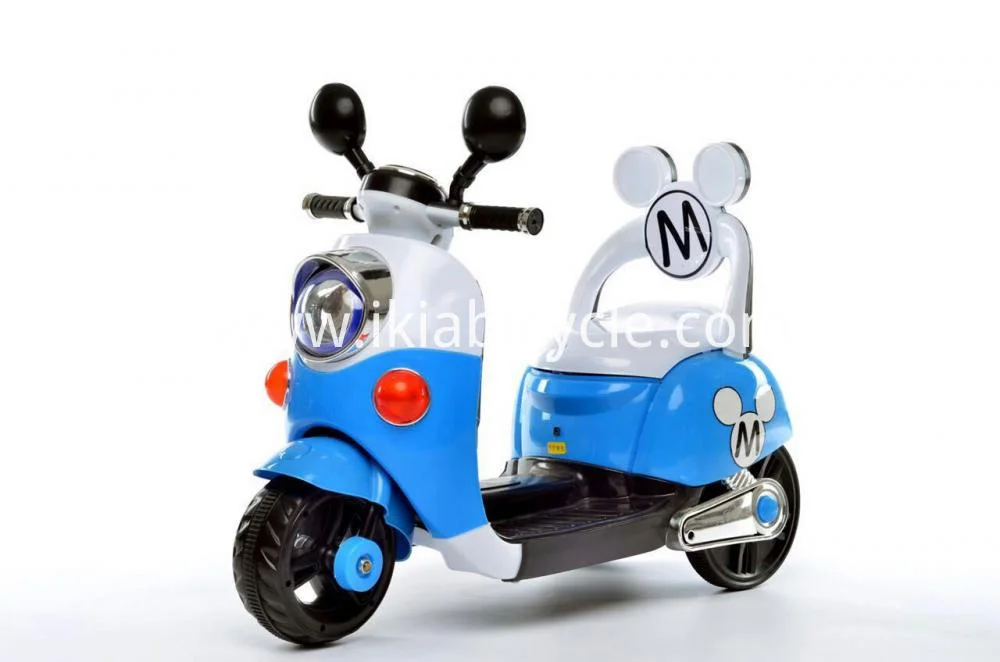
Choosing the Right Mini Tricycle for Kids: A Comprehensive Guide
Selecting the perfect mini tricycle for kids can be a delightful but sometimes overwhelming task. With numerous options available, understanding the key features, benefits, and safety considerations is crucial. This guide will walk you through everything you need to know to find the ideal tricycle to spark joy and foster development in your little one. We’ll explore different types, essential features, and tips for ensuring a safe and enjoyable riding experience. Choosing the right tricycle is an investment in your child's fun and development!
Understanding Different Types of Mini Tricycles
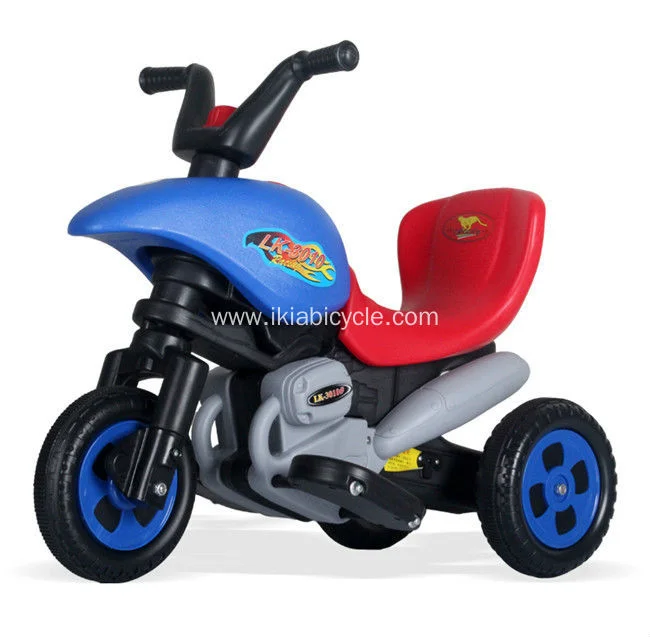
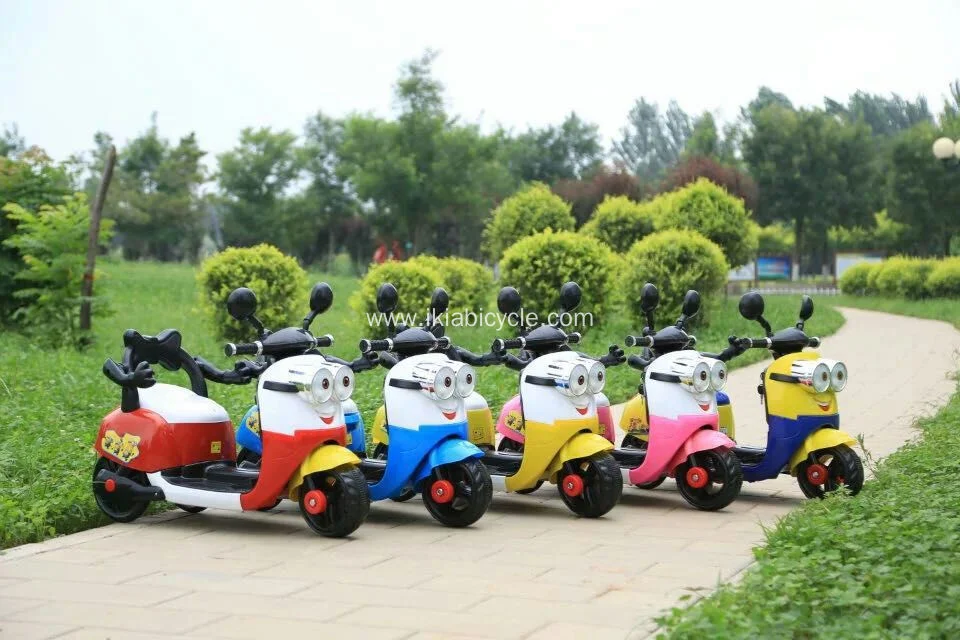
Mini tricycles come in various designs, each with its own advantages. Traditional tricycles offer stability and are great for beginners. Convertible tricycles, like those available at IKEA-TANDA, transition from tricycle mode to bicycle mode as your child develops, offering extended use. There are also push-along tricycles, perfect for younger toddlers who aren't yet able to pedal independently. Finally, some tricycles incorporate features like adjustable seats and handlebars to accommodate growing children. Consider your child’s age, developmental stage, and desired level of independence when making your choice.
Key Takeaway: Choosing the right type of tricycle depends on your child’s age and developmental stage. Convertible models offer the best long-term value.
Essential Features to Look for in a Mini Tricycle
When selecting a mini tricycle, prioritize safety and comfort. Look for features like a sturdy frame, wide wheelbase for stability, and a comfortable seat. Adjustable seat height is crucial for ensuring a proper fit as your child grows. Non-slip handlebars provide a secure grip, and a limited steering range prevents tipping. Consider the materials used – durable plastic and metal frames are ideal. Finally, ensure the tricycle meets relevant safety standards.
Safety Feature Checklist:
• Sturdy Frame
• Wide Wheelbase
• Comfortable Seat
• Non-Slip Handlebars
• Limited Steering Range
Mini Tricycle for Kids: A Comparison of Popular Models
Comparing different models can help you make an informed decision. Here's a breakdown of some popular options, based on features and price range. IKEA-TANDA offers excellent value for money with its convertible tricycles.
| Model |
Price Range |
Features |
Age Range |
| IKEA-TANDA Convertible |
$50 - $80 |
Convertible, Adjustable Seat, Sturdy Frame |
18 Months - 5 Years |
| Little Tikes Classic |
$40 - $60 |
Classic Design, Durable Plastic |
2 - 5 Years |
| Radio Flyer Glide & Go |
$60 - $90 |
Adjustable Seat, Wide Wheelbase |
2.5 - 5 Years |
Safety First: Tips for Tricycle Riding
Safety should always be the top priority. Always supervise young children while they are riding their tricycle. Ensure they wear a properly fitted helmet. Choose a safe riding area, away from traffic and obstacles. Teach children basic safety rules, such as looking both ways before “turning” and stopping before crossing a driveway. Regularly inspect the tricycle for any loose parts or damage. Consider knee and elbow pads for added protection.
Product Specifications and Maintenance
The IKEA-TANDA mini tricycles are constructed with high-quality materials and are designed for durability. Regular maintenance involves checking tire pressure, lubricating moving parts, and tightening any loose bolts. Storing the tricycle indoors or in a covered area will protect it from the elements. A well-maintained tricycle will provide years of fun and safe riding.
| Specification |
Detail |
| Frame Material |
Steel & Durable Plastic |
| Weight Capacity |
55 lbs |
| Seat Adjustment |
Multiple Positions |
Conclusion: Finding the Perfect Ride
Choosing the right mini tricycle for kids is an investment in their physical development, coordination, and enjoyment. By considering the factors outlined in this guide – type, features, safety, and maintenance – you can confidently select a tricycle that will provide hours of fun and safe riding. Visit IKEA-TANDA to explore our range of high-quality tricycles today!
Frequently Asked Questions (FAQs)
At what age can my child start riding a tricycle?
Generally, children can start riding a tricycle around 18 months to 2 years old, once they have developed the necessary leg strength and coordination. Push-along tricycles are a good starting point for younger toddlers. Look for signs that your child is ready, such as the ability to sit up independently and push with their feet. It's important to start slowly and provide plenty of supervision. The convertible tricycles from IKEA-TANDA offer a great transition as your child grows.
What is the best surface for tricycle riding?
Smooth, flat surfaces like paved sidewalks, driveways, or indoor play areas are ideal for tricycle riding. Avoid uneven surfaces, gravel, or grass, as these can make it difficult for your child to pedal and maintain balance. Ensure the area is free from obstacles such as rocks, toys, or traffic. A safe and even surface will help your child develop confidence and enjoy the experience.
How often should I check my child’s tricycle for safety?
It’s best to check your child's tricycle before each ride. Look for any loose parts, such as handlebars, wheels, or pedals. Ensure the tires are properly inflated and the brakes (if applicable) are working correctly. Regularly inspect the frame for any cracks or damage. A quick safety check can prevent accidents and ensure your child has a safe and enjoyable riding experience.