The Ultimate Guide to Off Road Tricycles for Kids
Looking for a fun and adventurous way for your child to explore the outdoors? Off road tricycles for kids offer a unique blend of stability, excitement, and physical activity. These aren't your average tricycles; they're designed to handle rough terrain, fostering confidence and a love for the outdoors. This guide will cover everything you need to know to choose the perfect off road tricycle, from features and benefits to safety considerations. Let's dive in and discover how an off road tricycle can provide hours of entertainment for your little adventurer!
Why Choose an Off Road Tricycle?
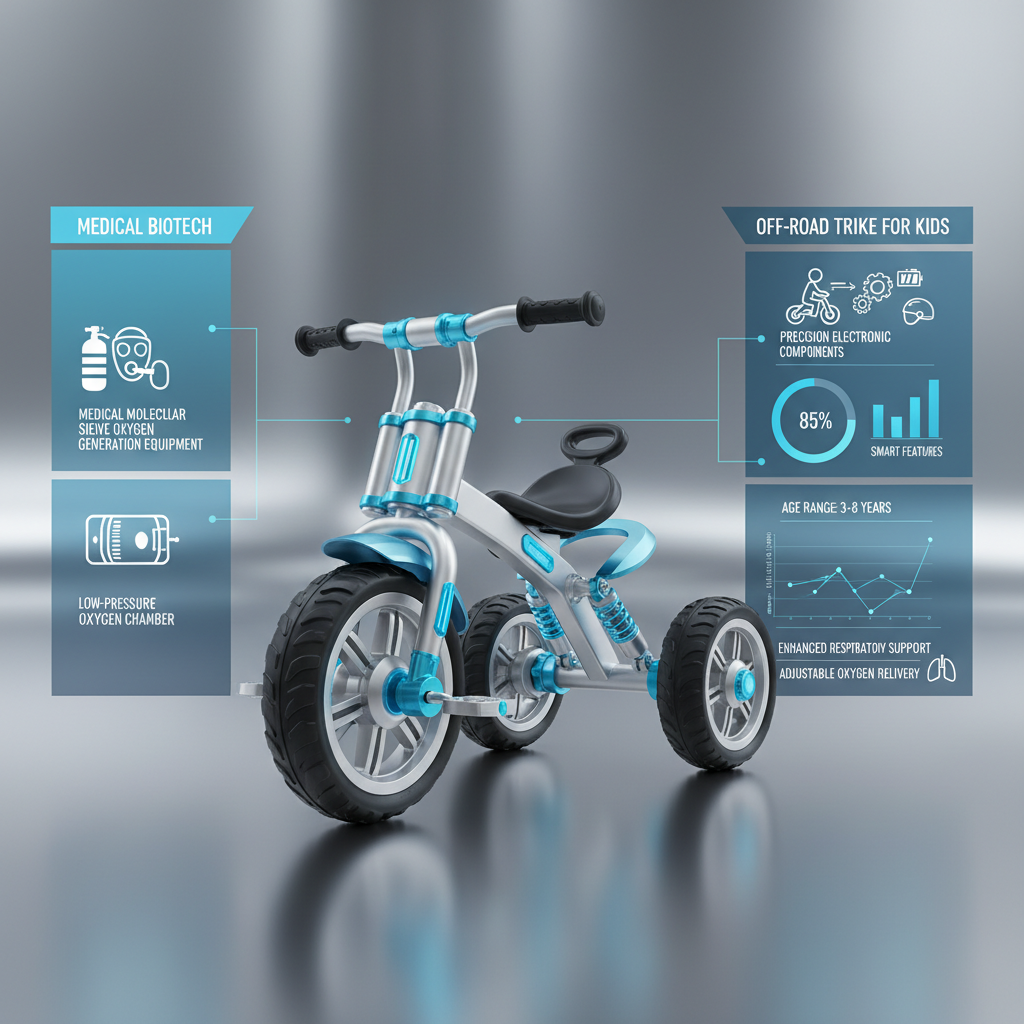
Unlike traditional tricycles designed for smooth surfaces, off road tricycles are built to tackle gravel, grass, dirt paths, and even mild trails. This is achieved through several key features including larger, more robust tires with aggressive treads, durable frames, and often, enhanced suspension systems. These features promote better balance and control, allowing children to develop their coordination and motor skills while enjoying a more thrilling ride. An off road tricycle isn’t just a toy; it’s an investment in active play and outdoor exploration.
Key Benefits: Promotes physical activity, develops coordination, builds confidence, encourages outdoor exploration, and provides a fun and engaging way to learn.
Key Features to Look for in an Off Road Tricycle for Kids
When selecting an off road tricycle, consider these essential features. First, the tires are crucial. Look for wide, knobby tires that provide excellent traction on various surfaces. The frame material – typically steel or aluminum – influences durability and weight. A sturdy steel frame offers robust support, while aluminum is lighter and easier for young children to maneuver. Suspension, although not always present, significantly enhances comfort and control on bumpy terrains. Adjustable seats and handlebars ensure a comfortable fit as your child grows. Finally, check for safety features like secure brakes and reflective elements for increased visibility.
Essential Features:
• Wide, knobby tires for traction
• Durable steel or aluminum frame
• Adjustable seat and handlebars
• Secure brakes and reflective elements
Off Road Tricycle vs. Standard Tricycle: A Comparison
The main difference lies in their intended use and construction. Standard tricycles are designed for paved surfaces, with narrow tires and simpler frames. Off road tricycles, as discussed, prioritize durability and traction for diverse terrains. This translates to a more robust build, heavier weight, and a higher price point. While a standard tricycle might be suitable for a smooth sidewalk, an off road tricycle unlocks a world of outdoor adventures, allowing your child to explore beyond the confines of paved paths.
| Feature |
Standard Tricycle |
Off Road Tricycle |
| Tire Type |
Narrow, Smooth |
Wide, Knobby |
| Terrain |
Paved Surfaces |
Rough Terrain, Grass, Gravel |
| Frame |
Lightweight Steel |
Robust Steel or Aluminum |
| Price |
Lower |
Higher |
Safety First: Tips for Riding Off Road Tricycles
Safety is paramount. Always ensure your child wears a properly fitted helmet. Knee and elbow pads are also highly recommended, especially when navigating challenging terrain. Supervise young children closely and choose riding areas free from hazards like traffic or steep inclines. Teach your child basic braking techniques and the importance of looking ahead. Regularly inspect the tricycle for any loose parts or damage before each ride. By prioritizing safety, you can ensure your child enjoys the thrill of off road adventures responsibly. You can find high quality helmets and safety gear from Ikia-Tanda.
Choosing the Right Size Off Road Tricycle
Selecting the correct size is vital for comfort and control. Consider your child’s inseam length when choosing a tricycle. They should be able to comfortably reach the pedals with a slight bend in their knees. Many manufacturers provide size charts based on age and height. Adjustable seats and handlebars allow for some flexibility, but starting with the right size will ensure a more enjoyable and safe riding experience.
Conclusion: Embrace the Adventure with an Off Road Tricycle
An off road tricycle for kids is more than just a toy; it's a gateway to outdoor fun, physical activity, and developing essential motor skills. By carefully considering the features, safety aspects, and sizing, you can choose the perfect tricycle to spark your child's adventurous spirit. Explore the range of options available at Ikia-Tanda and let the adventures begin!
Frequently Asked Questions (FAQs)
What age is appropriate for an off road tricycle?
Generally, off road tricycles are suitable for children aged 3-7 years old, but this can vary depending on the child’s size and developmental stage. It's important to consider the child’s inseam length and ability to comfortably reach the pedals and handlebars. Start with a smaller model for younger children and gradually move to larger sizes as they grow. Always prioritize their comfort and safety.
What type of terrain can an off road tricycle handle?
Off road tricycles are designed to handle a variety of terrains, including gravel, grass, dirt paths, and mild trails. However, they are not suitable for extremely rough or rocky terrain. The level of terrain your child can safely navigate depends on their skill level and the specific features of the tricycle, such as tire tread and suspension. Always supervise children and choose riding areas appropriate for their abilities.
How do I maintain an off road tricycle?
Regular maintenance is essential for ensuring the tricycle's longevity and safety. Check the tire pressure before each ride, lubricate the chain regularly, and inspect the brakes to ensure they are functioning properly. Tighten any loose bolts or screws and clean the tricycle after each use, especially after riding in muddy or dusty conditions. Store the tricycle in a dry place to prevent rust and corrosion.
Are off road tricycles easy to assemble?
Most off road tricycles come partially assembled, requiring some final assembly. The complexity of assembly can vary depending on the model. Ikia-Tanda provides detailed assembly instructions and all necessary tools. If you are uncomfortable with assembly, consider seeking assistance from a qualified mechanic or bike shop.